How long is the procedure itself?+
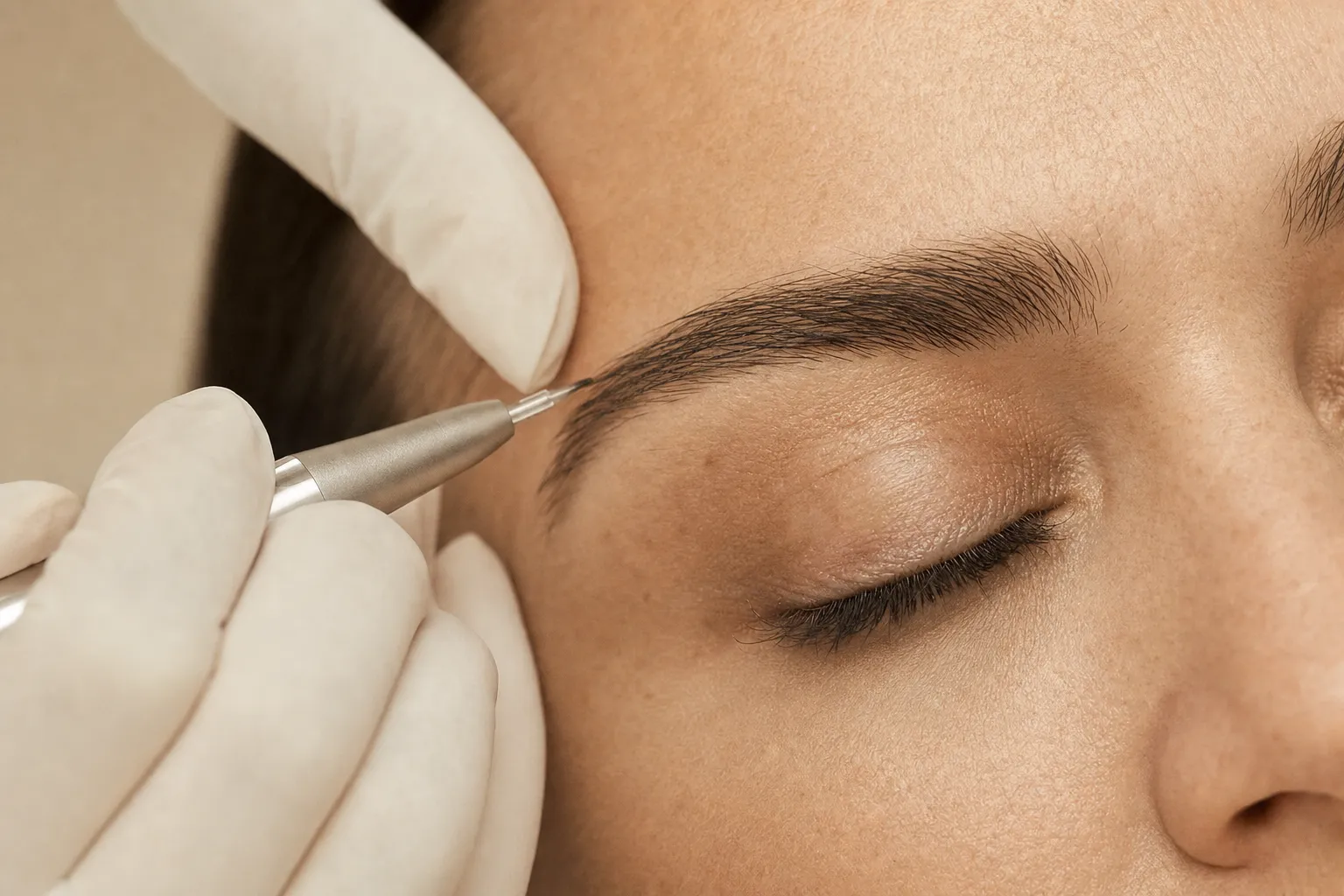
Four to six hours, single visit, local anesthesia. You are awake. Music is allowed; lunch is brought in.
How many grafts will I need?+
Typical brow cases run 150 to 400 grafts per brow. Exact count is decided at consultation based on existing density, target shape, and edge-versus-body coverage. The count is locked before the day of surgery.
Will I need to trim my new brows?+
Yes. Because the follicles came from your scalp, they keep scalp-hair growth behavior — continuous growth. Most patients trim every two to four weeks.
What is shock loss?+
Around weeks four to eight, the transplanted hairs fall out. The follicles themselves are intact below the surface and re-enter growth phase shortly after. Expected, not a complication. Full detail at /services/eyebrow-hair-transplant/recovery/.
What is the difference between FUE and FUT / LSE?+
FUE harvests follicles one at a time, no linear scar. FUT / LSE removes a strip of donor tissue and dissects follicles under microscopy. For brows, FUE is the right default because graft counts are small and recovery is faster. Dr. Peterson is trained in both techniques.
How does this compare with microblading?+
Microblading is a paramedical tattoo with a one- to three-year lifespan and 24 hours of downtime. An eyebrow transplant is permanent and has 7 to 14 days of visible recovery. Which one fits a given patient is a consultation conversation. Detailed comparison at /blog/eyebrow-hair-transplant-vs-microblading/.
Who actually performs the procedure?+
Dr. Charles Peterson (surgical lead, FUE / LSE trained) and Orr Swissa-Amran, PA-C (medical execution under his supervision) perform the surgical portion together. Ruth Swissa, CMM (25+ years of eyebrow shape design) leads the design portion. All three are in the room.
Will insurance cover it?+
Almost never. Aesthetic restoration of this kind is rarely covered. Specific exceptions (e.g. post-trauma reconstruction with documented medical necessity) are discussed case-by-case.
What if you recommend microblading instead?+
We tell you, in writing, why we think microblading is the better tool for your case, and we route your consultation notes to Ruth Swissa, our sister studio. The shape plan we developed travels with you.
Is it painful?+
The procedure is done under local anesthesia and is not described as painful. Some patients report mild tightness and pressure during the harvest portion. Post-operative discomfort is mild and controlled with over-the-counter medication for most patients.
Is it permanent?+
Yes. The transplanted follicles are real hair follicles. Once engrafted, they grow on their own schedule — like scalp hair — for the rest of your life.
What is the graft survival rate?+
The published range for FUE in trained hands is 80 to 95 percent. We plan graft counts with that range built in.
When will I see the final result?+
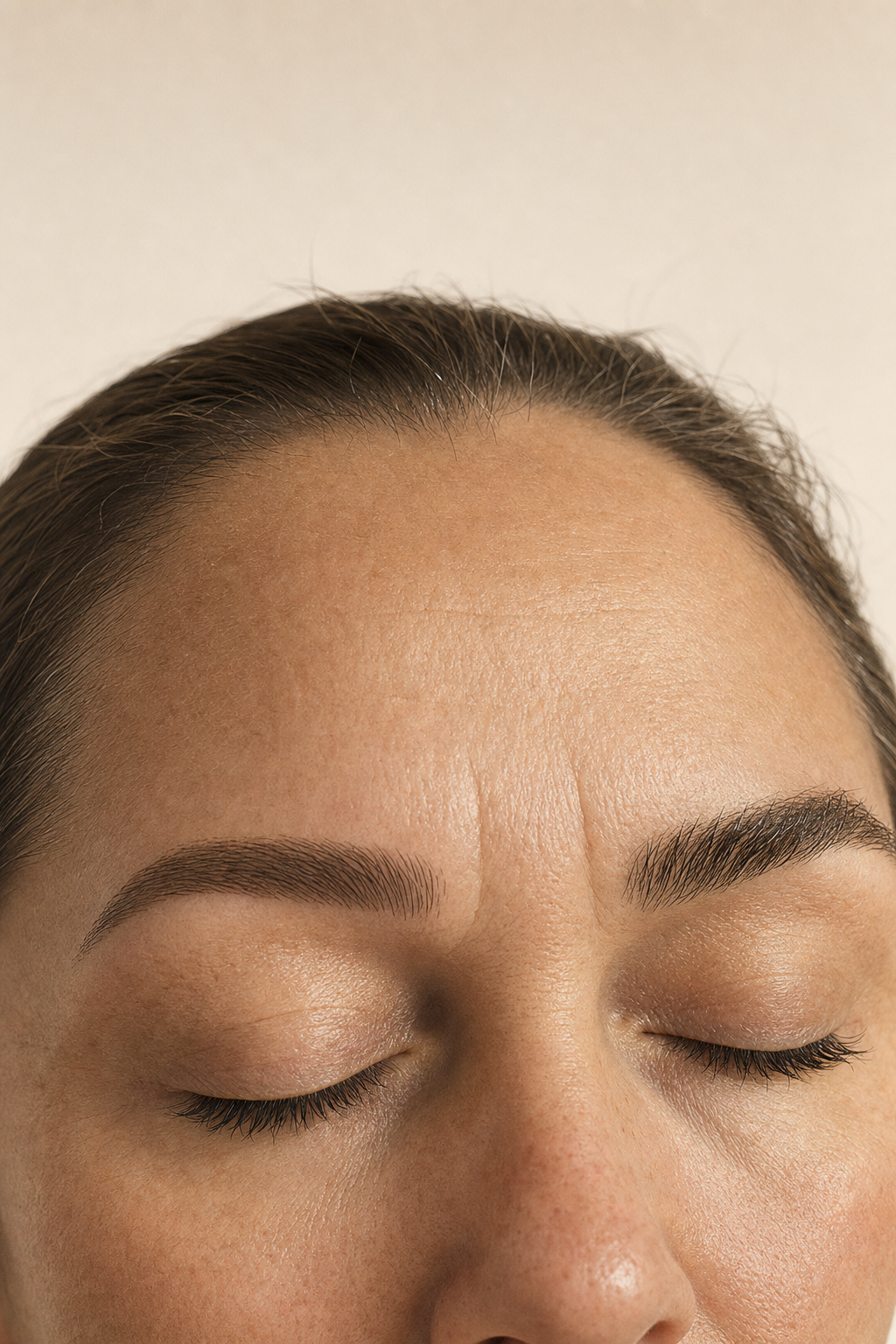
Visible regrowth starts at month three. The brow looks credibly like a brow at month six. The final settled result is at month twelve — one full hair growth cycle.
What if I have alopecia areata?+
Stability matters. For documented quiet disease and dermatology clearance, a transplant can be appropriate. For active disease, transplant outcomes are unpredictable and we decline until stability is confirmed. Full detail at /services/eyebrow-hair-transplant/candidacy/.
Can the procedure be done in Beverly Hills?+
No. Eyebrow hair transplantation is performed only at our Calabasas studio. Beverly Hills is a satellite for injectables.
How much does it cost?+
Pricing range is being finalized with the surgical team. In the interim, pricing — including financing options and the total-cost comparison with microblading — is discussed at consultation rather than published. We give you a written treatment plan with line-item costs before you book anything.
How long is the consultation?+
Plan for roughly an hour. The first consultation covers history, medical review, donor area assessment, photographs, and shape design conversation. You leave with a written plan and no obligation.
What if I don't like the shape after surgery?+
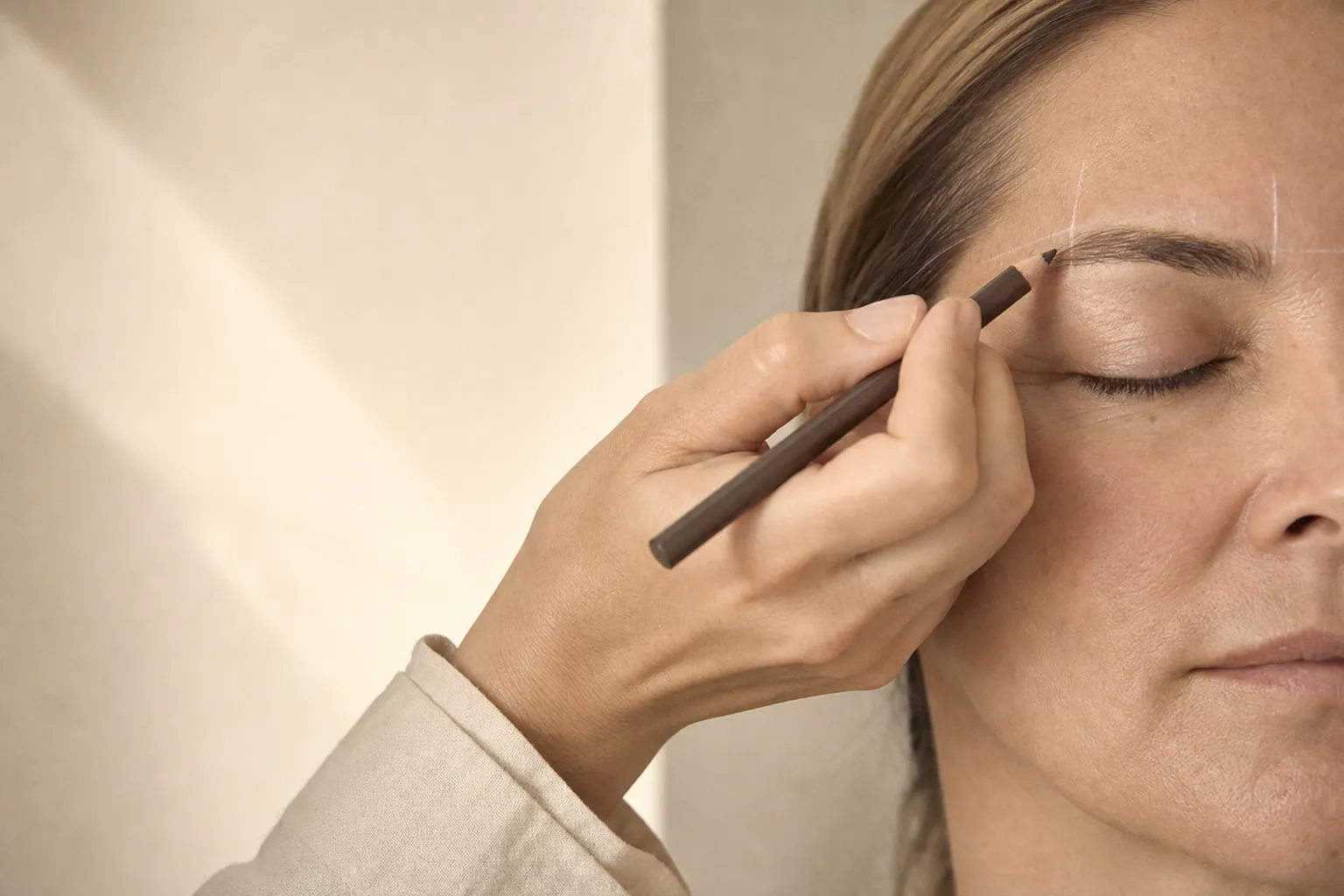
This is why the shape is locked at consultation rather than the day of surgery. The outline is signed off in advance, re-confirmed in a mirror on the morning of, and adjusted until approved. After that point, the outline does not change. Once follicles are placed, surgical reversal is limited — changes are generally restricted to trimming and selective laser thinning.