Candidacy for an eyebrow hair transplant.

Who an eyebrow hair transplant is for, who it isn't for, and the medical and aesthetic questions we answer at the first consultation.

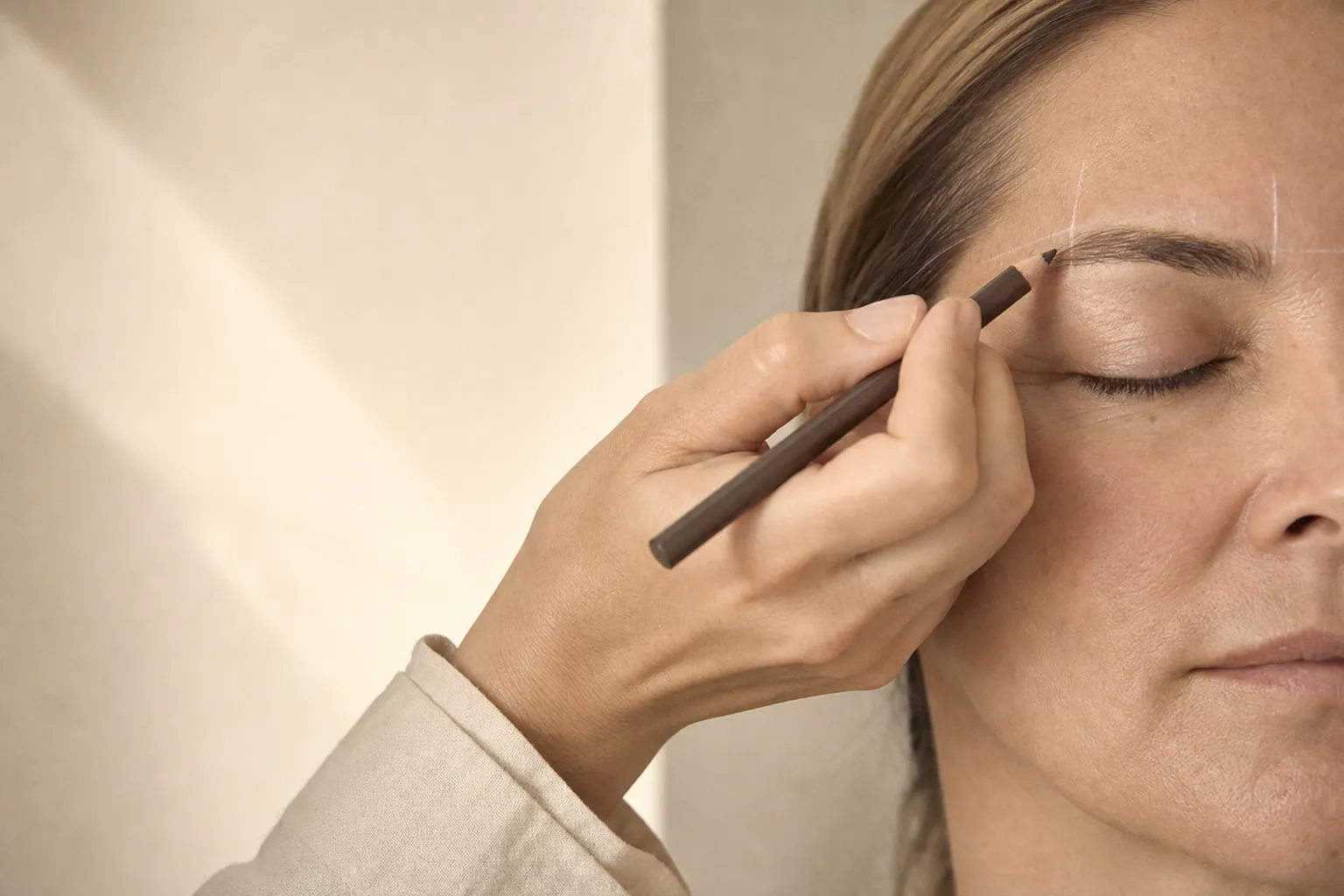
Brow mapping · candidacy starts with the design conversation
In short· Am I a candidate for an eyebrow hair transplant

Candidacy for an eyebrow hair transplant depends on five things: the underlying reason for the brow loss, the stability of any underlying medical condition, donor area density on the scalp, realistic expectations about the twelve-month timeline, and whether a less invasive option (microblading, alopecia tattooing) is the better tool for the job. We use the first consultation to walk through all five, candidly, and route you to the right answer — which is sometimes a different studio.

The candidate map

Where we recommend the surgical answer.

These are the patterns that consistently respond well. Edge cases exist for each. A consultation is the only honest way to land on a recommendation — but here is what we are looking for.

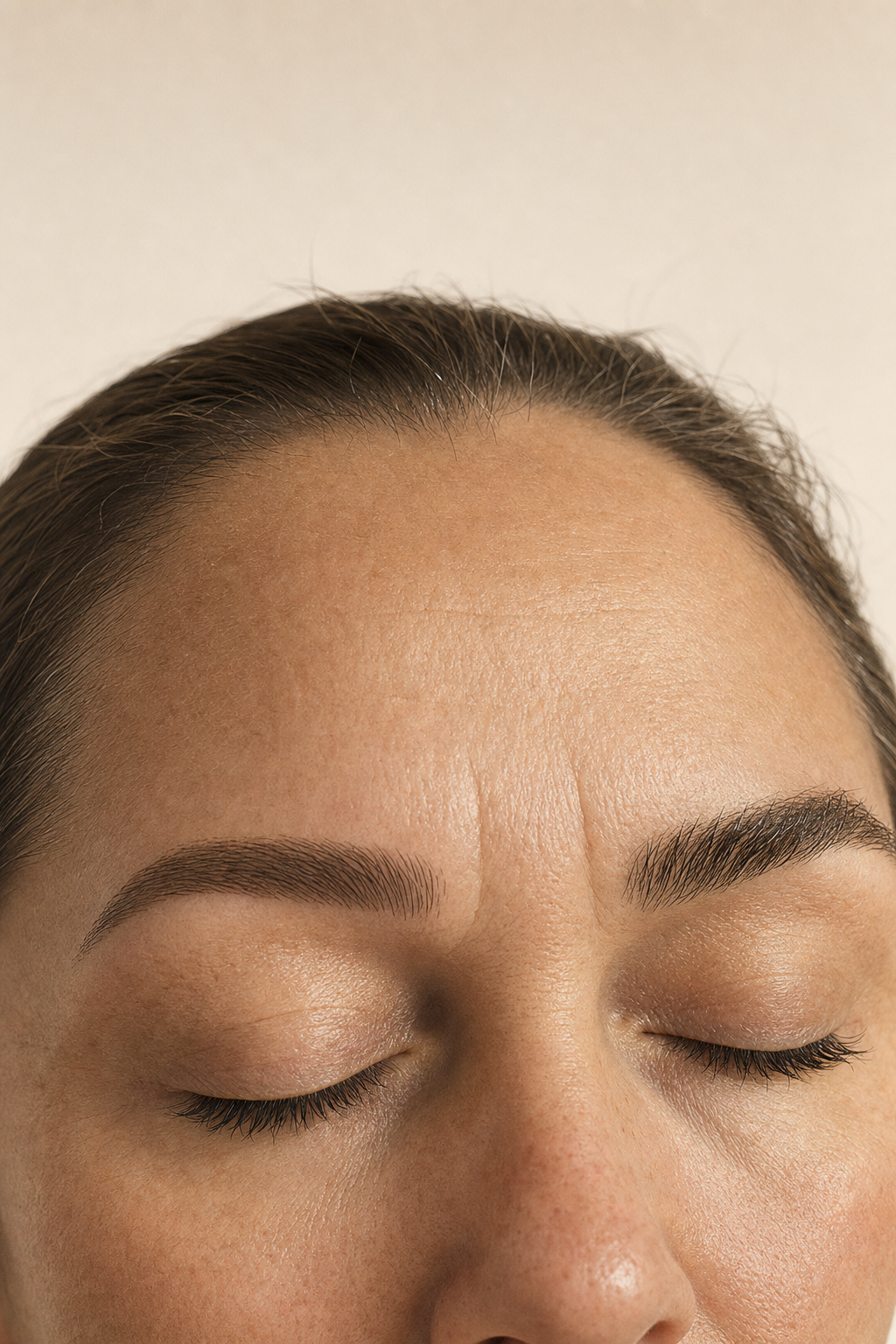
Over-plucked brows from the 1990s and 2000sMost common reason for consultationA patient with otherwise healthy brow tissue who lost density to repeated plucking over years. Donor area is usually robust, the brow architecture is intact, and the procedure restores what was removed.
Alopecia areata — stable, non-activeCoordination with dermatology requiredFor patients whose alopecia areata has been quiet for an extended period and whose dermatologist confirms stability, a transplant can be appropriate. For active autoimmune disease, transplant outcomes are unpredictable — the new follicles can be attacked the same way the original ones were. We will not operate on active disease.
Scarring alopeciaTissue assessment requiredScarring alopecia destroys both the follicle and the surrounding tissue architecture. Transplant outcomes depend on whether the recipient bed will support new follicles — this is a tissue-level question that we evaluate at consultation, sometimes in coordination with dermatology. Alopecia tattooing at Ruth Swissa is often the more reliable answer here.
Age-related brow thinningCommon, candidate-appropriateBrows thin with age as part of overall hair follicle attrition. Patients in their fifties and sixties with otherwise good general health and adequate donor density are reasonable candidates. We evaluate donor area carefully — age-related thinning sometimes extends to the donor scalp.
Scarring from injury, surgery, or laserSite assessment requiredA discrete scar through the brow that has destroyed local follicles can be a good candidate for spot transplantation. The procedure is the same; the planning question is whether the scar tissue will support implantation and whether the surrounding intact brow needs to be matched in density.
Gender-affirming brow restorationCoordinated, multi-step approachPatients seeking restoration of brow density that hormonal treatment or prior removal has thinned can be excellent candidates. The conversation includes shape design specific to the patient's goals — sometimes substantively different from the original brow architecture — and we coordinate with the patient's broader care team where relevant.
The consultation · where the recommendation is made
The reasons we say no

When the right answer is not surgery.

The most common reason we decline to operate is active autoimmune disease affecting the hair follicles. New follicles dropped into an autoimmune environment can be attacked the same way the original ones were. We require a documented stability period and dermatology coordination before we will operate.

Other absolute reasons include pregnancy or active breastfeeding, uncontrolled bleeding disorder or full-dose anticoagulation without prescriber clearance, recent isotretinoin (Accutane) treatment within six months, and active inflammatory disease in the brow area.

We also decline cases where the donor area is inadequate to support the target density without creating visible thinning at the donor site, or where the patient is seeking a brow shape that violates the anatomic plausibility of their face. We say so kindly and design a shape we can credibly build instead, or refer to a different studio.
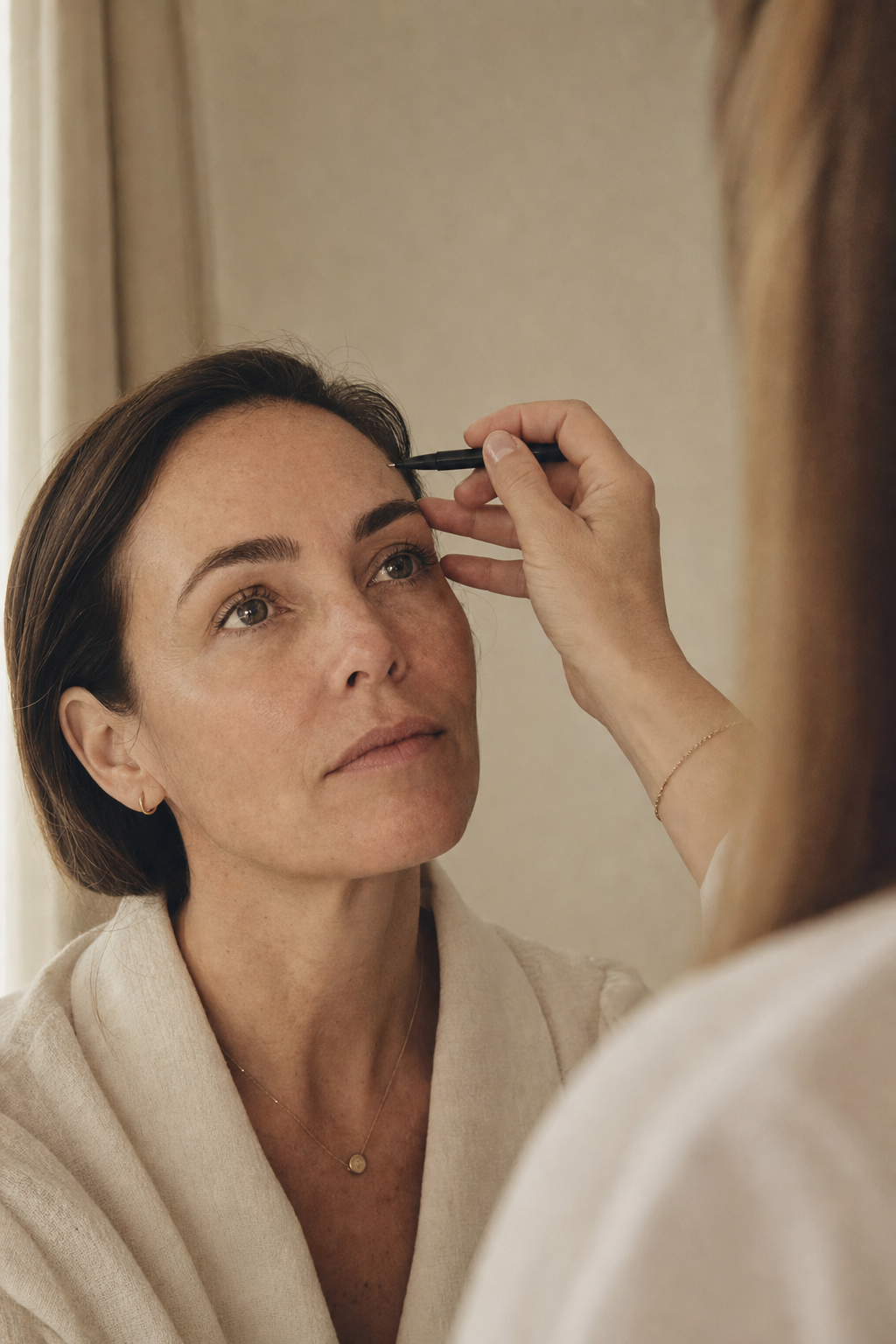
The consultation

What the first appointment covers.

  1. 01

    Why now, and what you have tried.

    We start with the history — when the brow loss started, what you have tried, what you liked, what you did not. This conversation almost always changes the recommendation.

  2. 02

    Medical history and medications.

    A focused review covering autoimmune conditions, bleeding history, current medications including anticoagulants and isotretinoin, and any prior surgical or aesthetic work that affects healing.

  3. 03

    Photographs and donor assessment.

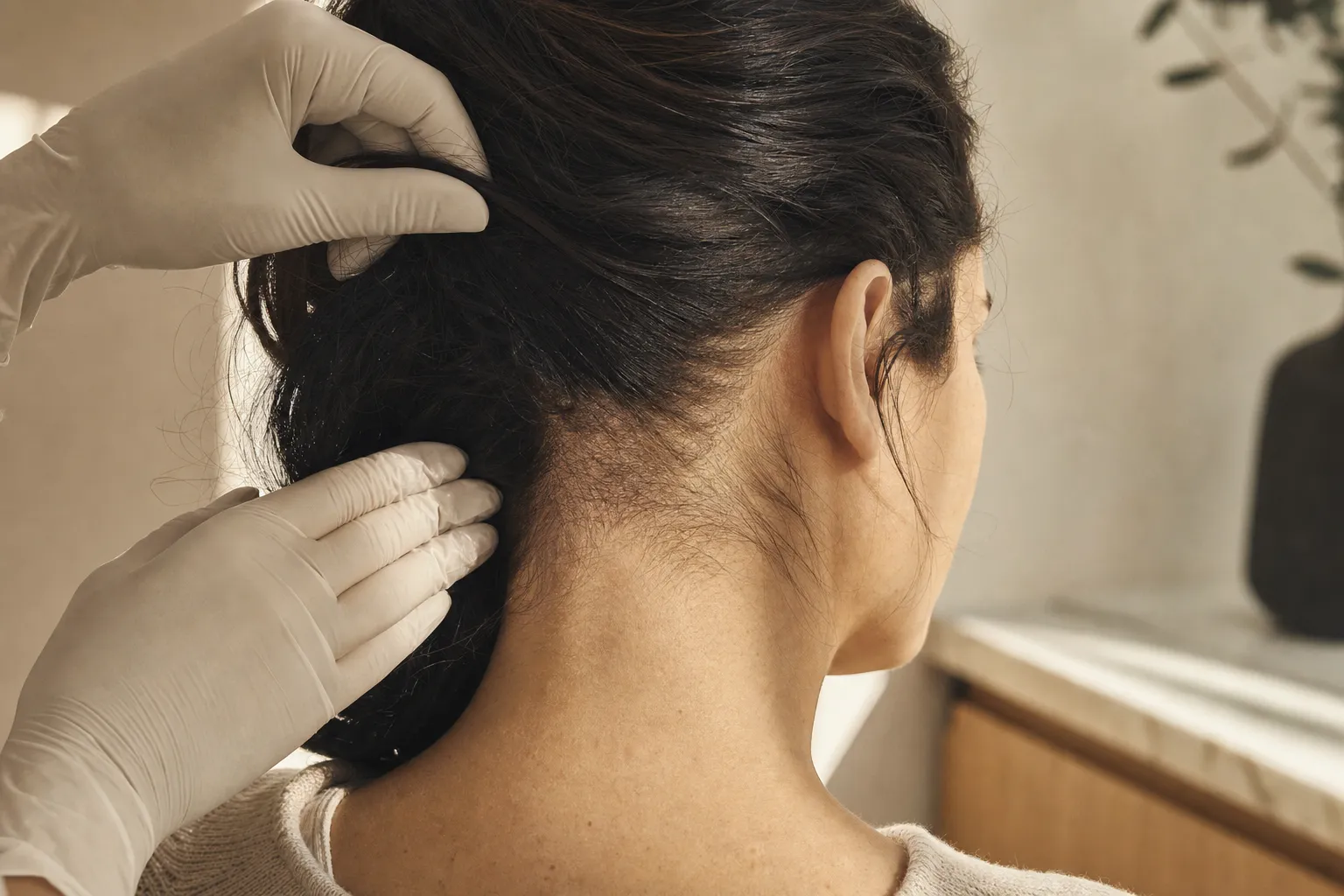
    Standardized photography of the brow and a careful examination of donor area density. Donor adequacy is one of the gating questions; we do not promise a density target we cannot support from your own scalp.

  4. 04

    Shape design conversation with Ruth.

    When a transplant is appropriate, the design conversation begins at consultation — not on the day of surgery. Ruth Swissa joins for this portion. Symmetry, hair direction zones, ethnic appropriateness, and the patient's own aesthetic preferences are all part of the design.

  5. 05

    Written plan with options.

    You leave with a written plan — graft count target, technique, scheduling considerations, and pricing. If we have recommended microblading or alopecia tattooing at Ruth Swissa instead, the plan reflects that path with notes for the relevant practitioner.

Donor assessment · density decides what we can promise
The team

Surgical precision · medical execution · artistic refinement.

Facial balancing

Dr. Charles Peterson

Board-certified Family Medicine physician

Board-certified Family Medicine physician with nearly a decade of experience in aesthetic medicine. Medical Director for multiple medical spas throughout California, and founder and Medical Director of Swissa Med Spa. His focus is comprehensive facial balancing — harmonious, natural-looking results that enhance each patient's unique features.

Medical execution

Orr Swissa-Amran, PA-C

Board-certified Physician Associate

UCLA undergrad; Master of Physician Assistant Studies at Mercy University, New York; competitive surgical residency at Albert Einstein College of Medicine / Montefiore Medical Center. Specialized training in eyebrow hair transplantation under the supervision of Dr. Charles Peterson, plus additional advanced education and international training in South Korea focused on hair restoration and aesthetic medicine.

Artistic refinement

Ruth Swissa, CMM

25+ years · eyebrow shaping and facial aesthetics

Eyebrow hair transplantation at Swissa Med Spa is uniquely refined through her artistic expertise — combining Dr. Peterson's surgical precision and Orr Swissa-Amran's medical execution with Ruth's meticulous understanding of eyebrow structure, hair growth patterns, facial balance, ethnicity, and shape design.

Meet the full team
We will not perform
  • Active alopecia areata or active scarring alopecia.
  • Pregnancy or active breastfeeding.
  • Uncontrolled bleeding disorder or anticoagulation without prescriber clearance.
  • Within six months of isotretinoin (Accutane).
  • Active inflammatory or infectious disease in the brow area.
  • Cases where donor area is inadequate for the target density without visible donor thinning.
FAQ

Questions we get.

How do I know if my donor area is adequate?

We assess it at consultation. We do not promise a graft count we cannot support from your own scalp without creating visible thinning at the donor site. Most candidates have ample donor density for a 150 to 400 graft brow case.

I am on anticoagulation. Can I still have the procedure?

It depends on the drug, the indication, and your prescribing physician's assessment. We require prescriber clearance and sometimes a temporary hold around the surgical date. We will not operate without that coordination.

Is the consultation a binding appointment?

No. The first consultation is a conversation. You leave with a written plan and no obligation. If you decide to proceed, scheduling is a separate appointment.

What if I have alopecia areata?

Stability matters. For patients whose alopecia areata has been quiet for an extended period and whose dermatologist confirms stability, a transplant can be appropriate. For active disease, transplant outcomes are unpredictable and we will decline until stability is documented.

What if you recommend microblading instead?

We tell you, in writing, why microblading is the better tool for your case, and we route your consultation notes to Ruth Swissa, our sister studio in the same building. The shape plan we developed travels with you.

Can I bring photographs of brows I want?

Yes — and we encourage it. Reference brows tell us a great deal about what you are looking for. The final design will be adapted to your face structure rather than copied directly, but the conversation is much faster with references in the room.

From our sister studio

Swissa Med Spa shares a building, a clinical team and a thirty-year history with Ruth Swissa, the paramedical tattooing practice.

Not a surgical candidate? See alopecia tattooing at Ruth Swissa.
Booking

Schedule a consultation for candidacy for an eyebrow hair transplant.

(818) 735‑8818
Tue – Sat · 9 a.m. – 5 p.m.