Regenerative microneedling. SkinPen with exosomes, PRP, PRF, GHK-Cu, PDRN.
Microneedling layered with growth factors, exosomes, PDRN or copper peptide. What each add-on does, what it costs you in downtime.
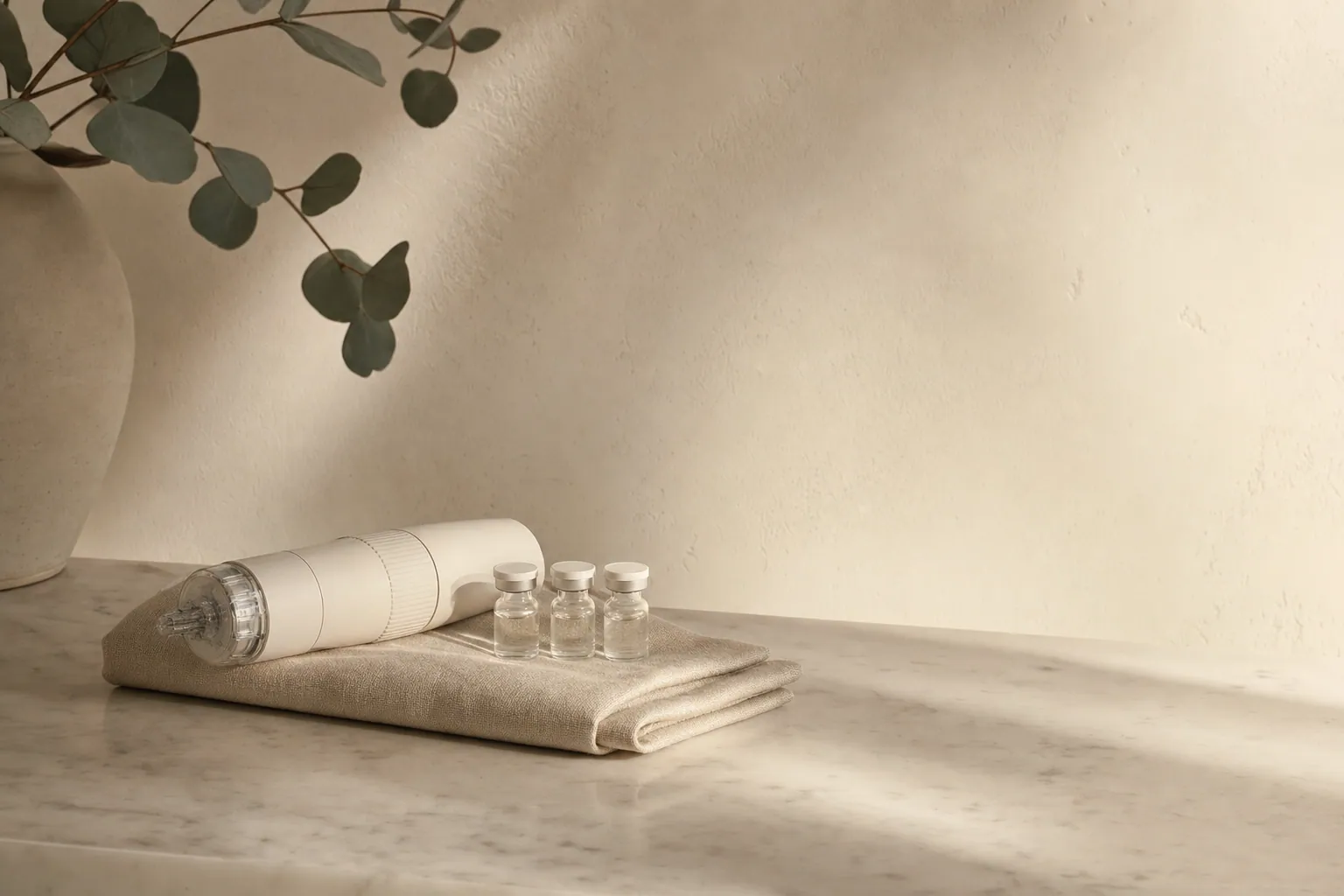
Standard microneedling is a controlled wound — a SkinPen creates thousands of micro-channels in the skin, which the body then closes by laying down fresh collagen. Regenerative microneedling adds a biological layer to that wound: exosomes, platelet-rich plasma (PRP), platelet-rich fibrin (PRF), polynucleotides (PDRN), or copper peptide (GHK-Cu) are driven into the channels while they're open. The needling is the delivery mechanism. The add-on is the active.
How needling becomes a delivery system.
The base treatment is straightforward. A SkinPen Precision device — twelve sterile, single-use micro-needles — passes across the skin at a controlled depth (typically 0.5 to 2.0 mm depending on the area). Each pass creates thousands of channels that the body responds to by initiating a wound-healing cascade. Collagen and elastin are remodeled over the following weeks. Skin texture, fine lines, and superficial scarring improve.
On its own, microneedling is a reliable, low-risk workhorse. For patients who only want texture refinement, basic microneedling — without add-ons — is often the right answer. Our sister studio Ruth Swissa offers that at ruthswissa.com/services/skin-services/microneedling/.
What changes the math is the open channel. For roughly an hour after needling, the skin is unusually permeable. A topical applied during or immediately after that window reaches the dermis — not just the stratum corneum. That's the regenerative half: we're not relying on the topical's molecular size to push through intact barrier; we're letting needling do the carrying.
The needling alone is the floor, not the ceiling.
Standard SkinPen sessions produce measurable improvement at three sessions, four weeks apart. The histology is well-documented: more organized collagen, thicker dermis, better-distributed melanin. For maintenance and for younger patients, it can be the whole answer.
Patients arriving with active scarring, melasma, post-inflammatory pigment, persistent erythema, or photoaging in their fifties and sixties tend to want more biology in the channel. That's where the menu opens up — and where the decision becomes about what each add-on actually does, not which one sounds best in a brochure.
Five add-ons. Different biologies, different jobs.
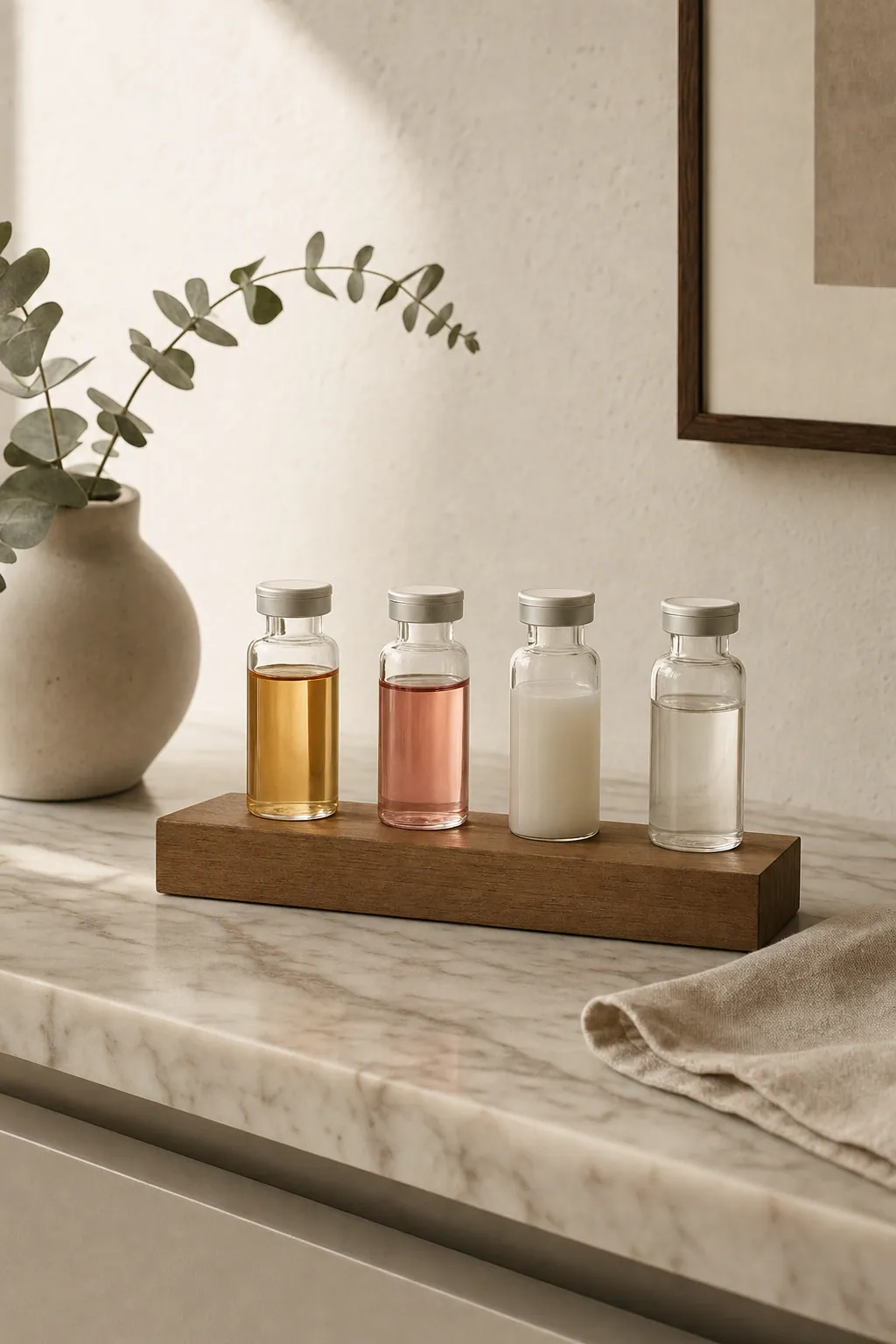
Each of these has a defensible mechanism and a different downtime profile. We choose by indication, not by ladder — none of these is a uniformly better version of the one above it. A patient treating diffuse photoaging may want exosomes. A patient with active acne scarring may want PDRN. The point is to match. The SkinPen device, the exosome combination, and the peptide add-ons (PDRN + GHK-Cu) each have their own page-depth guides, linked below.
| Exosomese.g. Plated · cell-derived signaling vesicles | Exosomes are nano-sized vesicles released by stem cells. They carry signaling cargo — growth factors, microRNA — that instructs surrounding skin cells to behave more like younger ones. Strongest published data is in inflammation modulation and pigment normalization. Add about $300 – $500 to a session. Downtime similar to plain SkinPen — 1 to 2 days of redness. |
|---|---|
| PRPPlatelet-rich plasma | Your own blood is drawn, spun in a centrifuge, and the platelet-rich layer is separated. Platelets release growth factors when they degranulate — PDGF, TGF-β, VEGF — driving angiogenesis and collagen synthesis. Reliable, autologous, no risk of immune reaction. Downtime 2 to 4 days; the topical PRP can bruise more visibly than exosomes. |
| PRFPlatelet-rich fibrin | A second-generation PRP. Spun at a lower speed without anticoagulant, PRF leaves white blood cells and a fibrin matrix in the preparation. The fibrin acts as a slow-release scaffold — growth factors elute over days, not minutes. We tend to favor PRF over classical PRP when sustained signaling is the goal. |
| PDRNPolynucleotides · salmon DNA fragments | Short DNA fragments derived from salmon sperm, purified to pharmaceutical grade. PDRN binds adenosine A2A receptors and stimulates fibroblast activity directly. Strong evidence for atrophic scar improvement and skin quality in mature skin. Used widely in Europe and Korea; FDA-cleared in specific medical-device formulations. Discussed at consultation. |
| GHK-CuCopper peptide | A small tripeptide bound to a copper ion. GHK-Cu has documented effects on wound healing, anti-inflammatory signaling, and antioxidant pathways. We add it for patients with reactive skin or post-inflammatory redness. Often combined with one of the other add-ons rather than used alone. |
On the choice"The add-on is the active. The needling is how it gets there. Pick the active for the indication; don't pick by the name on the package."
How a session goes.
Sessions run 60 to 90 minutes depending on the add-on. PRP and PRF add 20 minutes for the blood draw and spin; exosomes, PDRN, and GHK-Cu are prepared from sealed product on site.
- 01
Consultation and skin assessment.
We review what you're treating, your medical history, and any topicals or oral medications that affect healing. Active acne, retinoid use within the past week, recent isotretinoin, and pregnancy are all reasons to defer.
- 02
Topical numbing.
A compounded lidocaine topical is applied to the treatment area for 25 to 30 minutes. We confirm anesthesia before starting.
- 03
Add-on preparation.
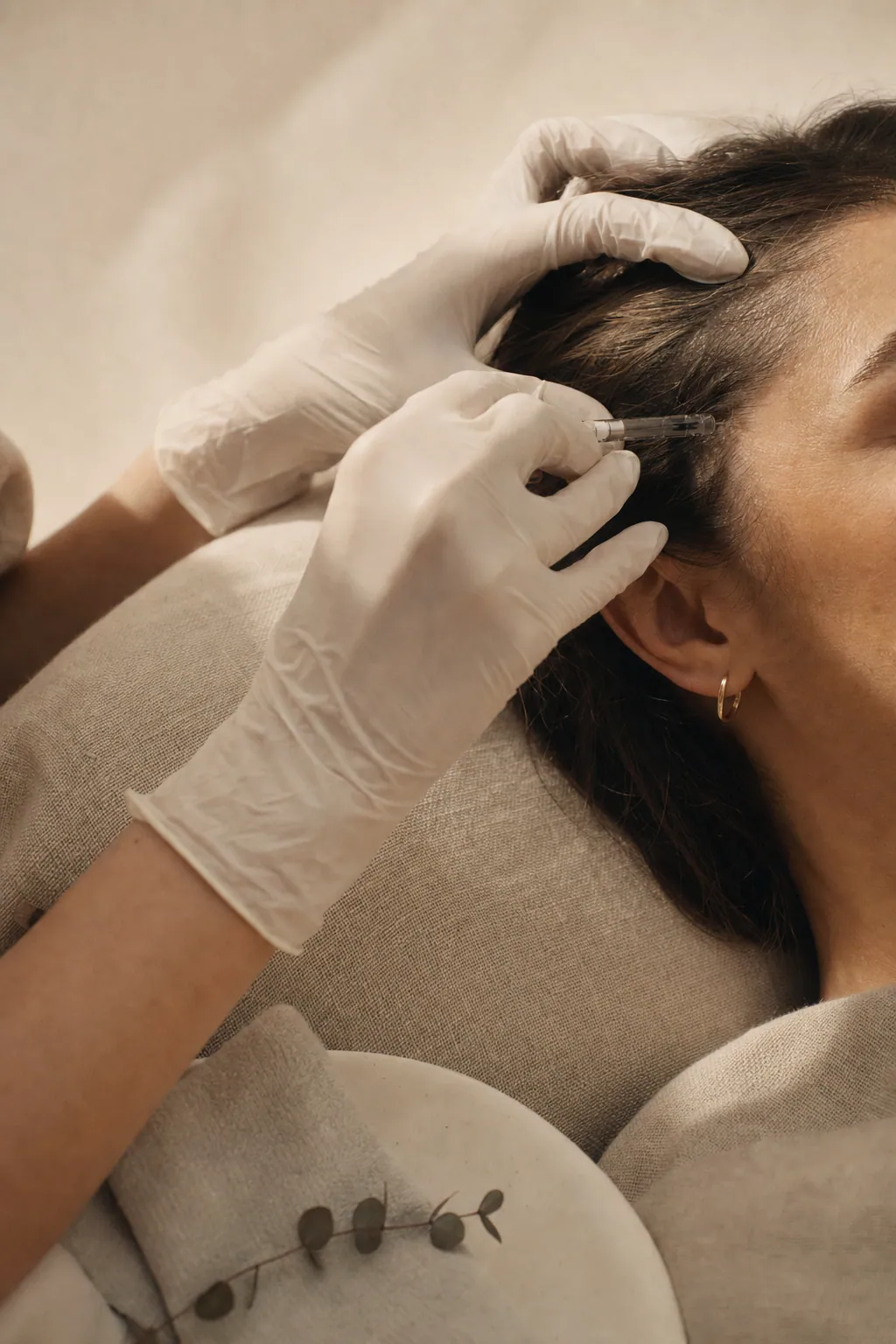
For PRP or PRF, blood is drawn from the arm and spun in a closed-system centrifuge. Exosomes, PDRN, and GHK-Cu are reconstituted from sealed product. The add-on is applied to the skin in a thin layer.
- 04
Needling pass.
The SkinPen is moved methodically across the treatment area in overlapping passes. Depth is adjusted by zone — shallower on the lower eyelid, deeper on acne scars. Active is replenished mid-treatment to keep the skin saturated.
- 05
Sealing layer.
A final topical layer is left on the skin and not washed off. You'll leave the studio looking flushed, with the active still resident on the skin. You're asked not to wash your face for 6 hours.
What to expect across three or four sessions.
Three sessions, four weeks apart, is the standard initial series. Some patients with significant scarring or photoaging benefit from a fourth session at the eight-week mark from session three. We discuss this honestly at session two — if the response is strong, three is enough; if the indication is heavy, we plan for four.
Visible change starts at two weeks and matures over twelve. The first session produces the clearest before-and-after only in retrospect — patients tend to underestimate change because they see their face daily. By session three, most patients can see it in their own mirror.
After the initial series, maintenance is one or two sessions per year. Patients who're treating active concerns (post-acne scarring, melasma) may stay on a closer cadence until the indication stabilizes.
- Patients within 6 months of isotretinoin (Accutane).
- Active herpes simplex outbreak in the treatment area without antiviral prophylaxis.
- Active acne in inflamed pustular phase — we treat the acne first, the scarring second.
- During pregnancy or breastfeeding (precautionary; not all add-ons have safety data).
- Open wounds, eczema, or active inflammatory dermatitis in the treatment area.
How much does regenerative microneedling cost in Los Angeles?
Regenerative microneedling in Los Angeles typically ranges from $600 to $1,500 per session, depending on the add-on. PRP sessions sit at the lower end, $600 to $1,500. Exosome sessions, EZ Gel, and under-eye PRF cluster at the upper end, $1,200 to $1,500. Most plans run three to four sessions over four to six months, with package pricing typically discounting the per-session rate.
What drives the per-session price.
Add-on category is the dominant cost driver. PRP and PRF are drawn from your blood and processed in-house — materials cost is largely the chair time. Exosomes are externally sourced from a manufacturer, cold-shipped, stored carefully, and priced accordingly. PDRN sits between the two, with growing clinical interest and a price point above PRP but below exosomes. GHK-Cu is the most accessible peptide adjunct.
Treatment area matters next. Full-face sessions sit at the top of the per-session range. Face plus neck and décolleté costs more because the pass is longer and the product volume larger. Targeted single-area work — focal scarring, a single under-eye treatment — runs lower per session but typically needs more visits to produce the same cumulative result.
Injector and clinic protocol set the upper bound. Practices with on-site PRP processing, multiple add-on options stocked, and a clinician who selects based on indication rather than upsell will price toward the top of the range. The premium reflects expertise and inventory, both of which matter for outcomes.
Location within LA is the final variable. Beverly Hills addresses sit at the top of the regenerative-microneedling market. Calabasas and the Valley generally below for comparable expertise. The spread reflects real-estate cost more than clinical capability.
Typical Los Angeles ranges by add-on.
Per-session pricing assumes full-face treatment. Package pricing for three- to four-session plans typically discounts the per-session rate by ten to twenty percent.
| Variant | What's included | Typical LA range |
|---|---|---|
| SkinPen + PRP | Microneedling with platelet-rich plasma drawn and spun on-site. | $600 – $1,500 per session |
| SkinPen + PRF | Slower-spin platelet-rich fibrin matrix with sustained growth-factor release. | $700 – $1,500 per session |
| SkinPen + exosomes | Lab-cultured signaling vesicles; externally sourced, cold-stored. | $1,200 – $1,500 per session |
| EZ Gel | Heat-processed albumin gel from your own blood; injectable scaffold paired with needling. | $1,200 – $1,500 per session |
| Under-eye PRF | PRF placed in the tear trough for hollow correction and skin quality. | $1,200 – $1,500 per session |
| Three-session package | Most common protocol cadence — three sessions four to six weeks apart. | $1,800 – $4,200 total |
Regenerative microneedling vs RF microneedling vs CO₂.
RF microneedling adds radiofrequency energy to the needling pass. Face sessions in LA typically run $700 to $900; neck $500 to $800. RF targets skin laxity and deeper texture in a way pure needling can't. Regenerative microneedling targets skin quality and collagen rebuilding without the energy component. Both have a place; the choice depends on whether laxity or quality is the dominant concern.
Fractional CO₂ resurfacing is the more aggressive adjacent option — $600 to $800 per face session, with one to two weeks of social downtime. CO₂ resurfaces the top layers of skin. Regenerative microneedling rebuilds underneath without ablating the surface. Patients chasing a fast, dramatic surface change lean CO₂; patients chasing structural improvement without downtime lean regenerative.
The Vampire Facial — PRP microneedling under its branded name — is the same procedure described differently. Pricing in LA aligns with PRP regenerative pricing: $600 to $1,500 per session. The marketing name shouldn't add to the price; if it does, the practice is charging for the brand rather than the work.
For patients deciding between protocols, the honest framing is: each addresses a different layer of the same problem. Many patients end up running RF microneedling and regenerative microneedling on alternating cycles across a year, with CO₂ as a periodic intervention. The cost adds up when the protocols aren't planned together; coordinated planning usually saves money across a multi-year arc.
How we price regenerative work.
Pricing at Swissa Med Spa is determined at consultation, where we match the add-on to your skin and goals. A written plan with line-item per-session and package totals is shared before any treatment is booked. The plan is the product; the session is the unit.
Performed by Orr Swissa-Amran, PA-C, board-certified Physician Associate, internationally trained in hair restoration and aesthetic medicine.
Acne improvement, from the studio's skincare program.
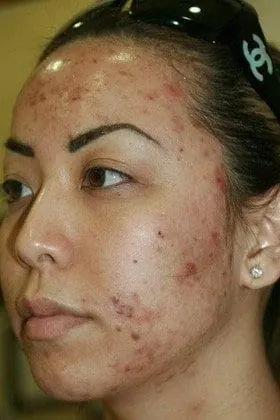
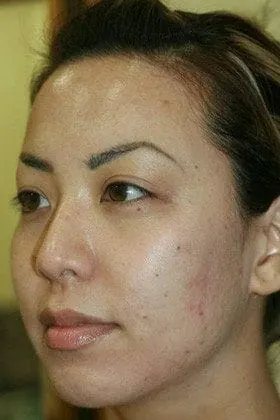
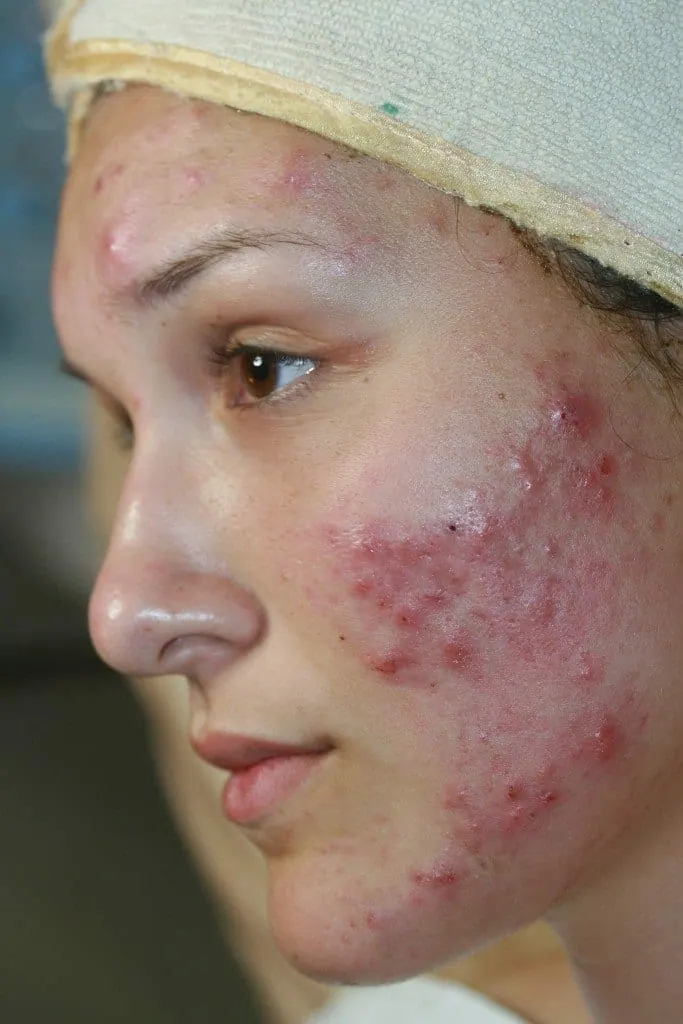
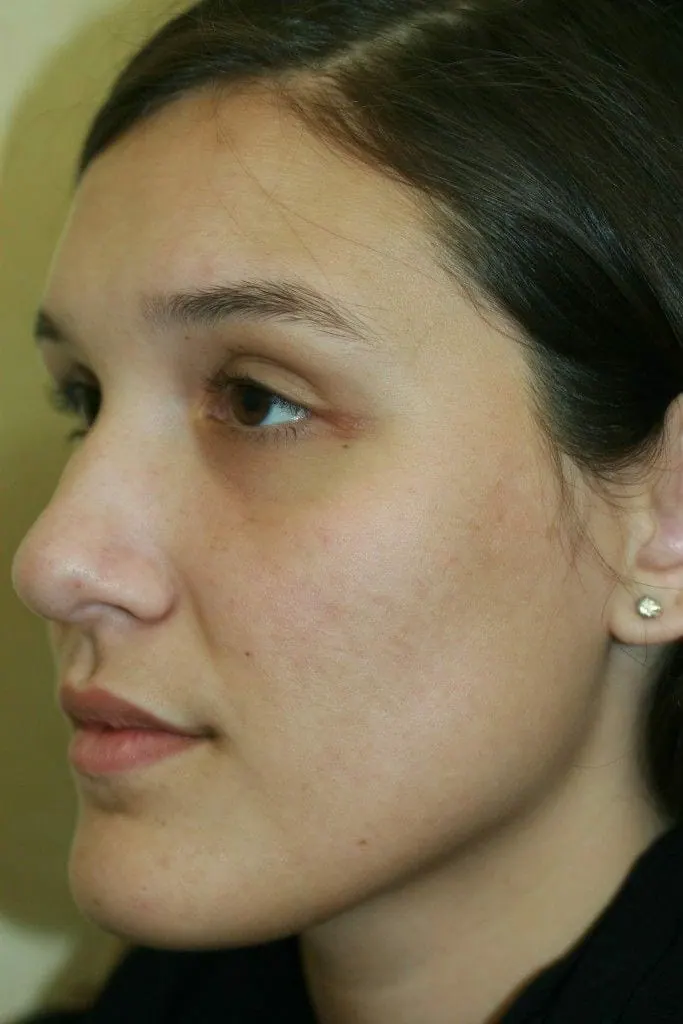

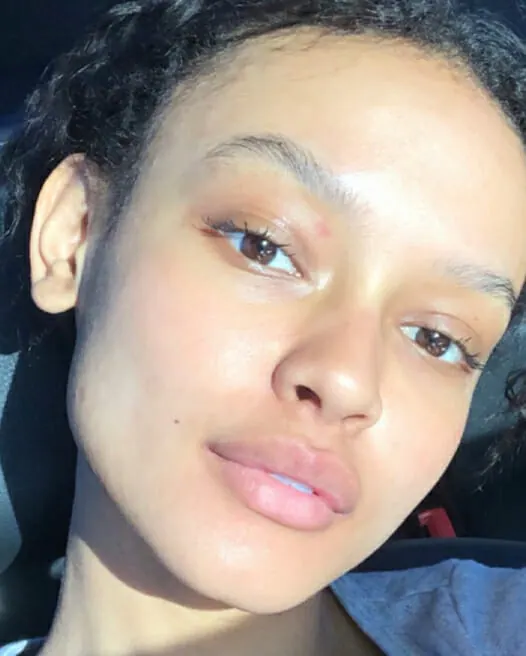
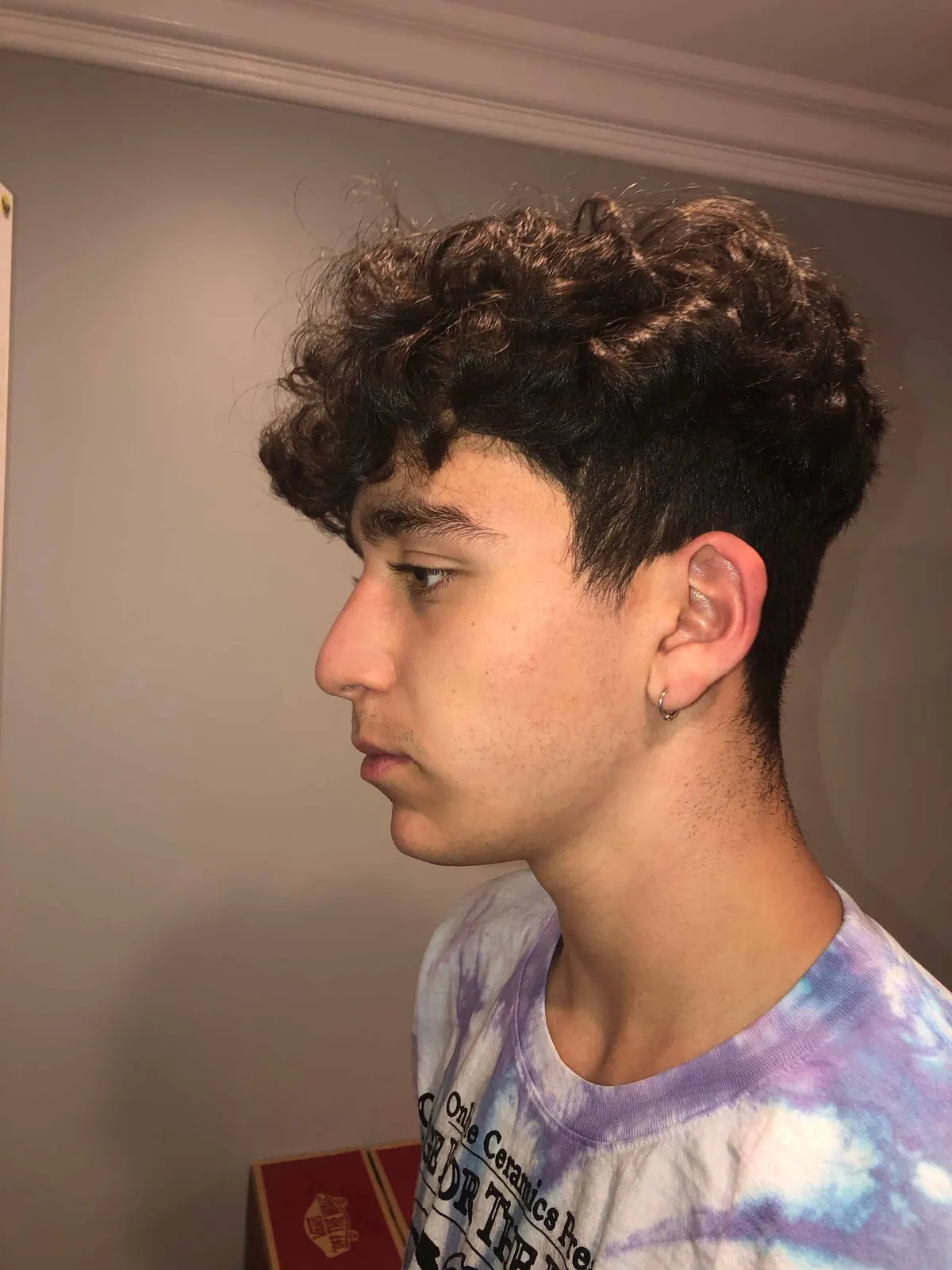
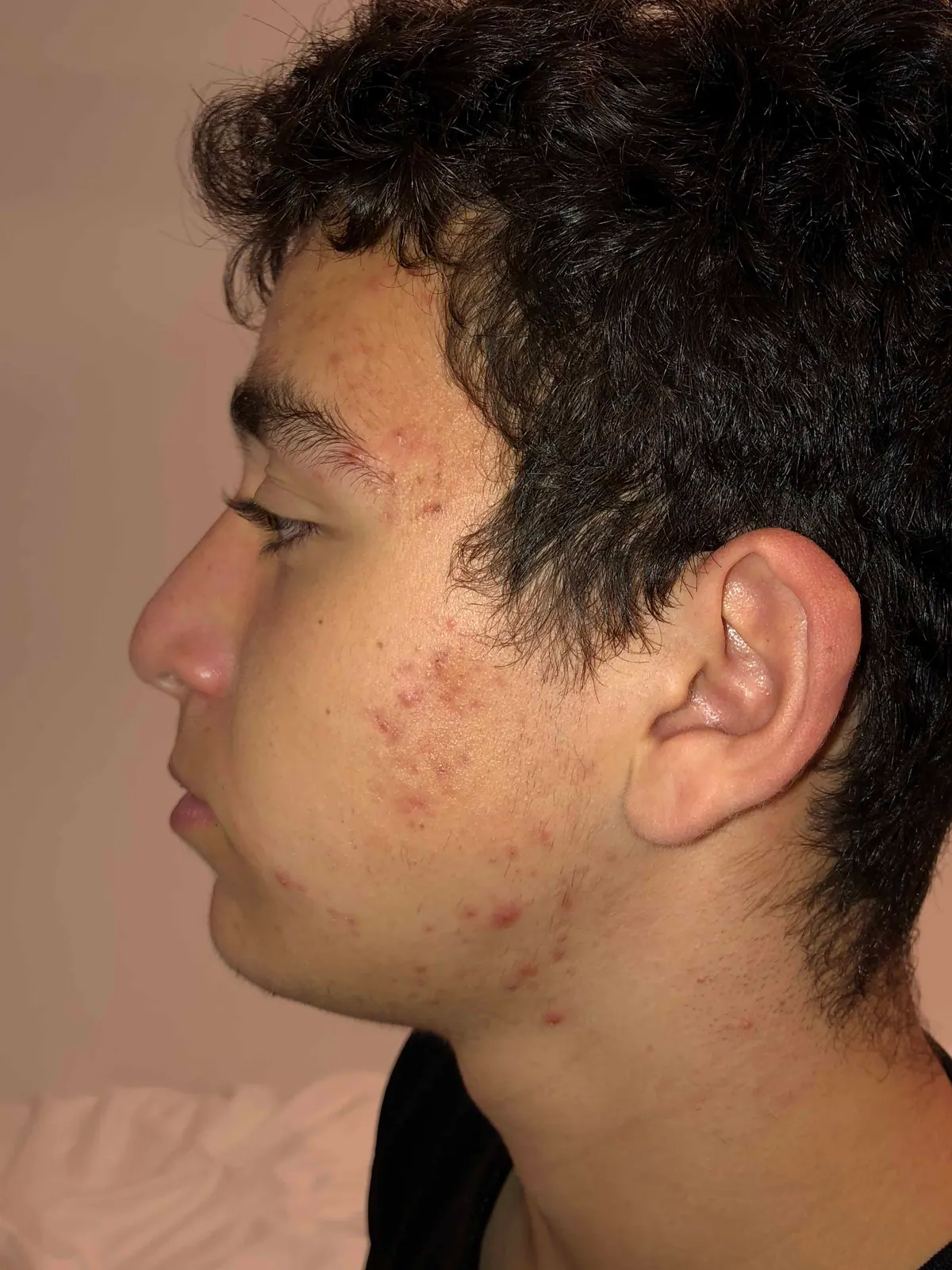
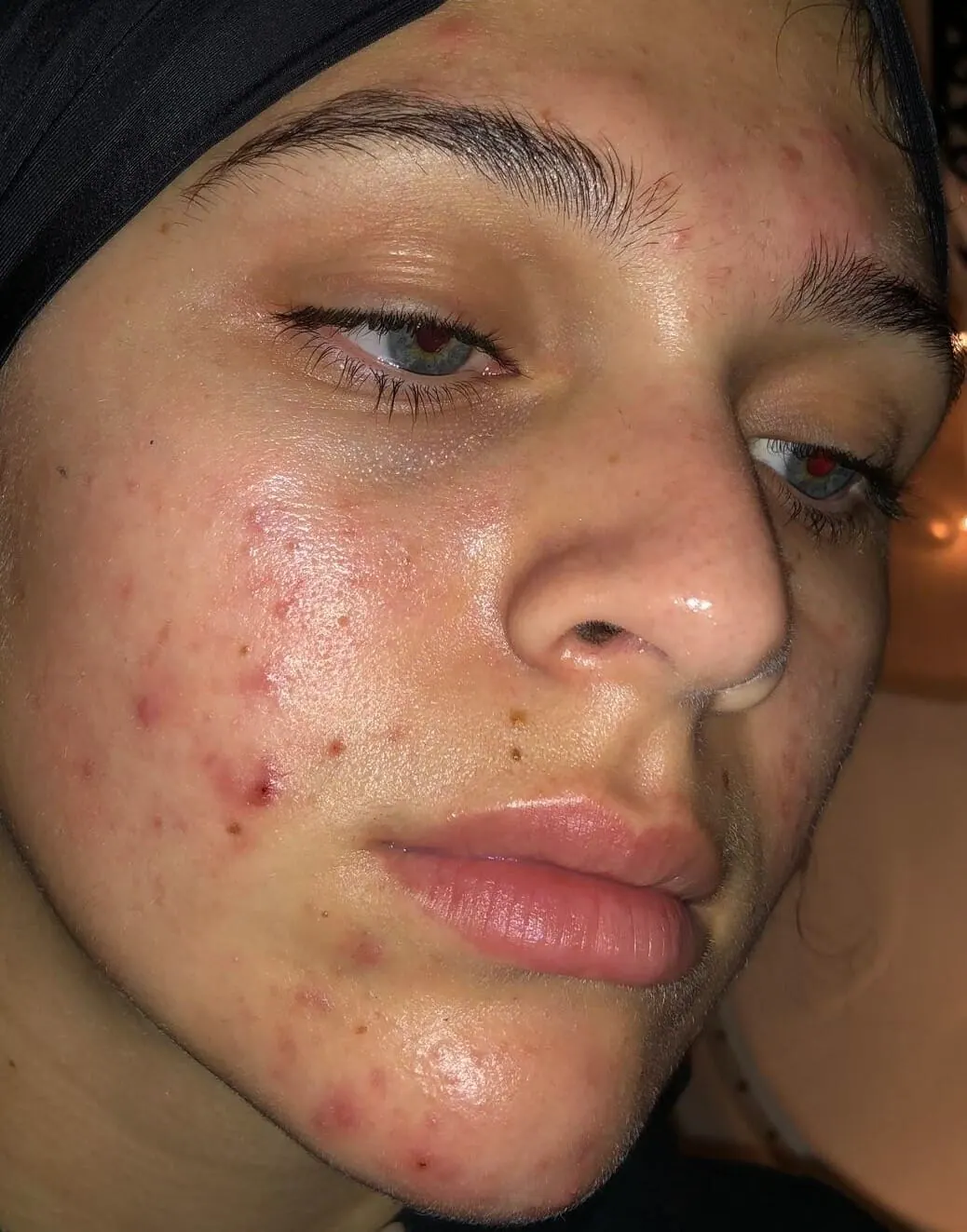
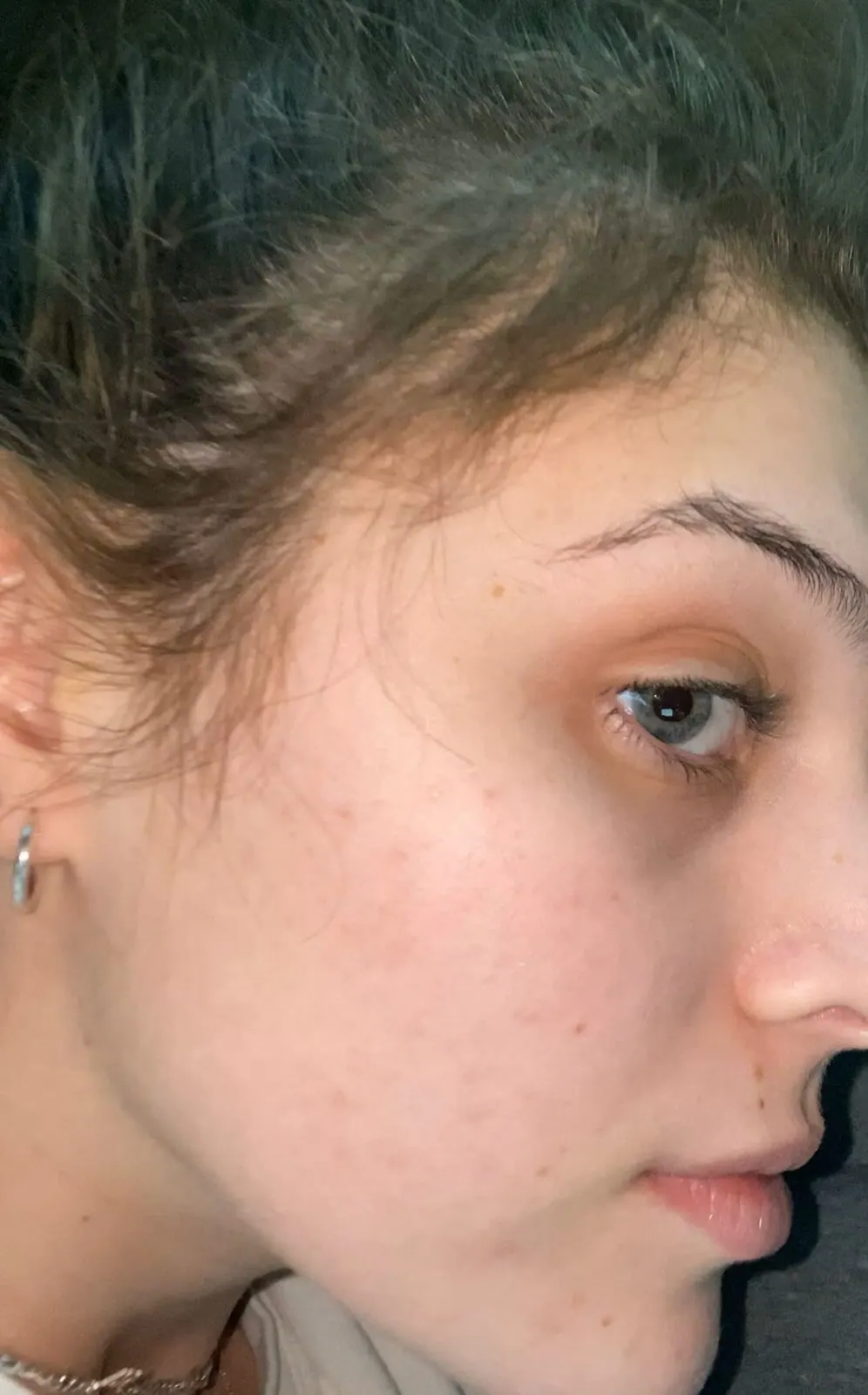
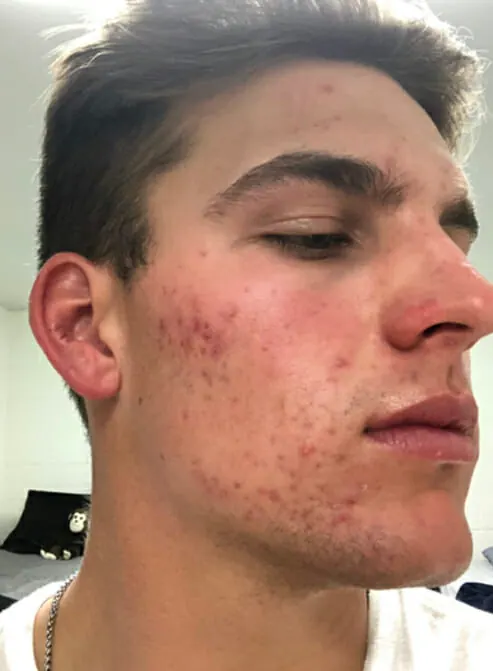
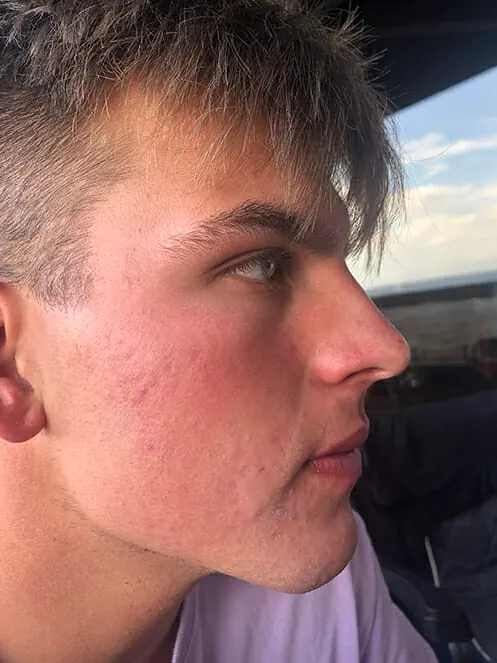
These photographs document acne improvement from the Ruth Swissa skincare program (facials, chemical peels, topical protocol) — not from regenerative microneedling. We share them because acne and post-acne skin quality is a common reason patients consult about microneedling; modality-specific outcomes are reviewed at consultation.
Where regenerative microneedling. skinpen with exosomes, prp, prf, ghk-cu, pdrn is performed.
Our Beverly Hills satellite operates Wednesdays by appointment and performs injectables only. Lasers, regenerative protocols, medical weight loss and wellness are at our Calabasas studio.
Questions we get.
Which add-on should I pick?
Picked at consultation by indication. As a rough sketch: exosomes for diffuse photoaging and tone; PRP or PRF for collagen volume and texture; PDRN for atrophic scarring and mature skin; GHK-Cu for reactive or red skin. Most patients end up with a primary add-on plus a supporting one.
Is the downtime worse with the add-on?
Slightly, and it varies by add-on. Exosomes, PDRN, and GHK-Cu tend to behave like plain SkinPen — 1 to 2 days of redness. PRP and PRF can extend that to 2 to 4 days, and PRP in particular can produce more visible bruising. We schedule around events you don't want to look post-treatment for.
Can I combine this with other treatments?
Yes, with sequencing. We typically separate regenerative microneedling from neurotoxin or filler by two weeks in either direction. RF microneedling is a different category and is sequenced differently — discussed at consultation.
How much does regenerative microneedling cost in Los Angeles?
Sessions in LA typically run $600 to $1,500. PRP sits at the lower end, exosomes and EZ Gel at the upper end ($1,200 to $1,500). Three-session packages run $1,800 to $4,200 total. Total cost depends on the add-on, treatment area, and number of sessions in the plan.
Do package prices save money on regenerative microneedling?
Most LA practices discount three- to four-session packages by ten to twenty percent versus the per-session rate. Since regenerative work builds across sessions, the package is the natural unit. We share the package and single-session math at consultation.
How is this different from basic microneedling?
Same needling device, same depth, same protocol. The difference is what's driven into the channels. Basic microneedling relies on the wound response alone — well-suited for texture refinement in healthy skin. Regenerative microneedling adds a topical biological active that takes advantage of the open channel.
Will I see results after one session?
Some. Most patients see softening of fine lines and a measurable shift in skin quality by two weeks. The full effect of a series matures over twelve weeks from the final session, as new collagen organizes.
Why isn't this performed at Beverly Hills?
Our Beverly Hills satellite is structured for injectables only. The SkinPen device, blood-draw setup for PRP/PRF, and add-on inventory are at Calabasas, ten miles north. Booking through this page schedules you at Calabasas.
Are exosomes worth the extra cost over PRP?
For some indications, yes — exosomes carry a heavier biologic signaling load per volume. For routine skin-quality and texture maintenance, PRP usually carries the work at a lower price. The choice is a clinical conversation about what your skin is asking for, not a question of premium-tier upgrades.
Continue.
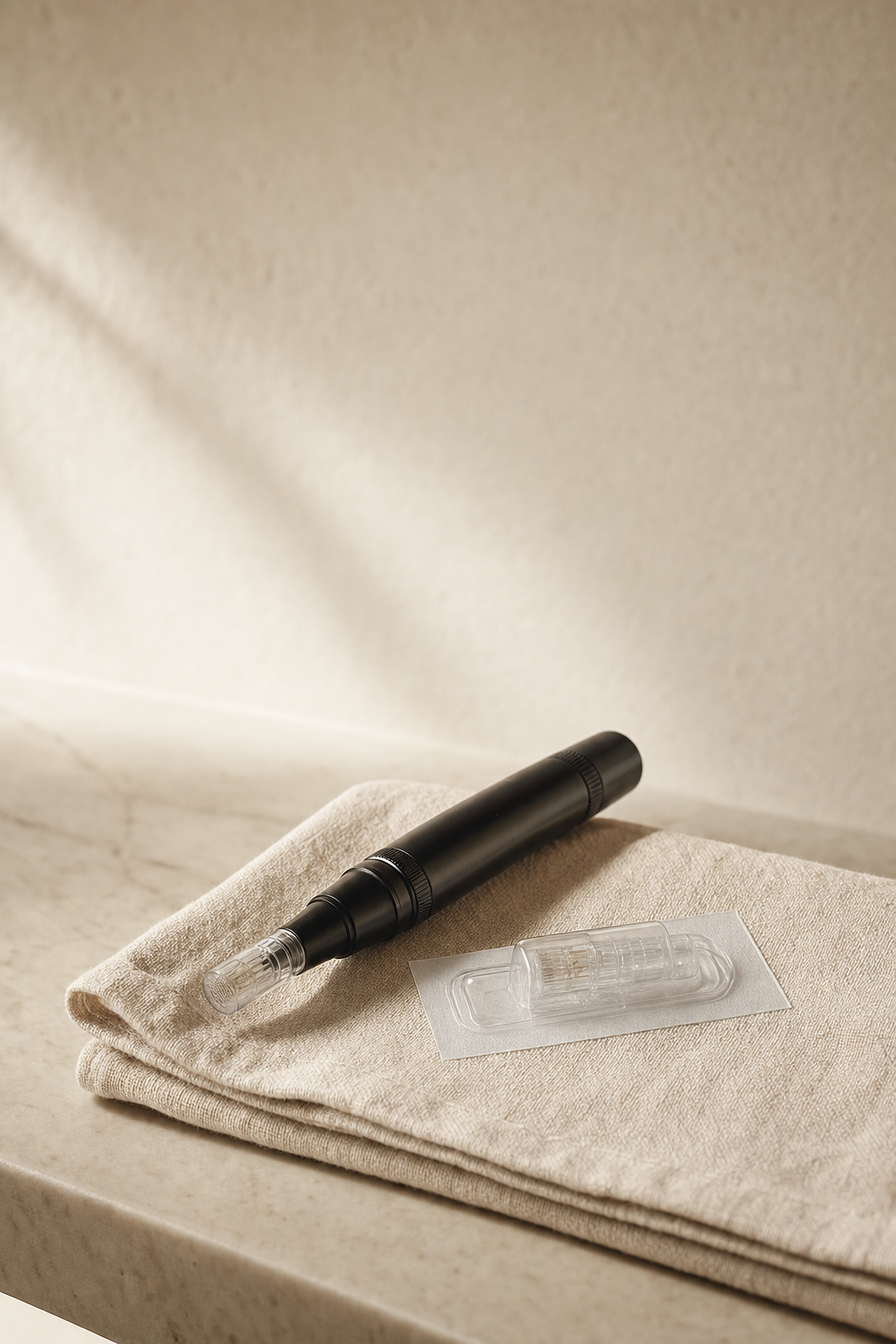
SkinPen — the FDA-cleared microneedling device we run. Depth control, single-use cartridges, the 3-session cadence, and the add-on stack.
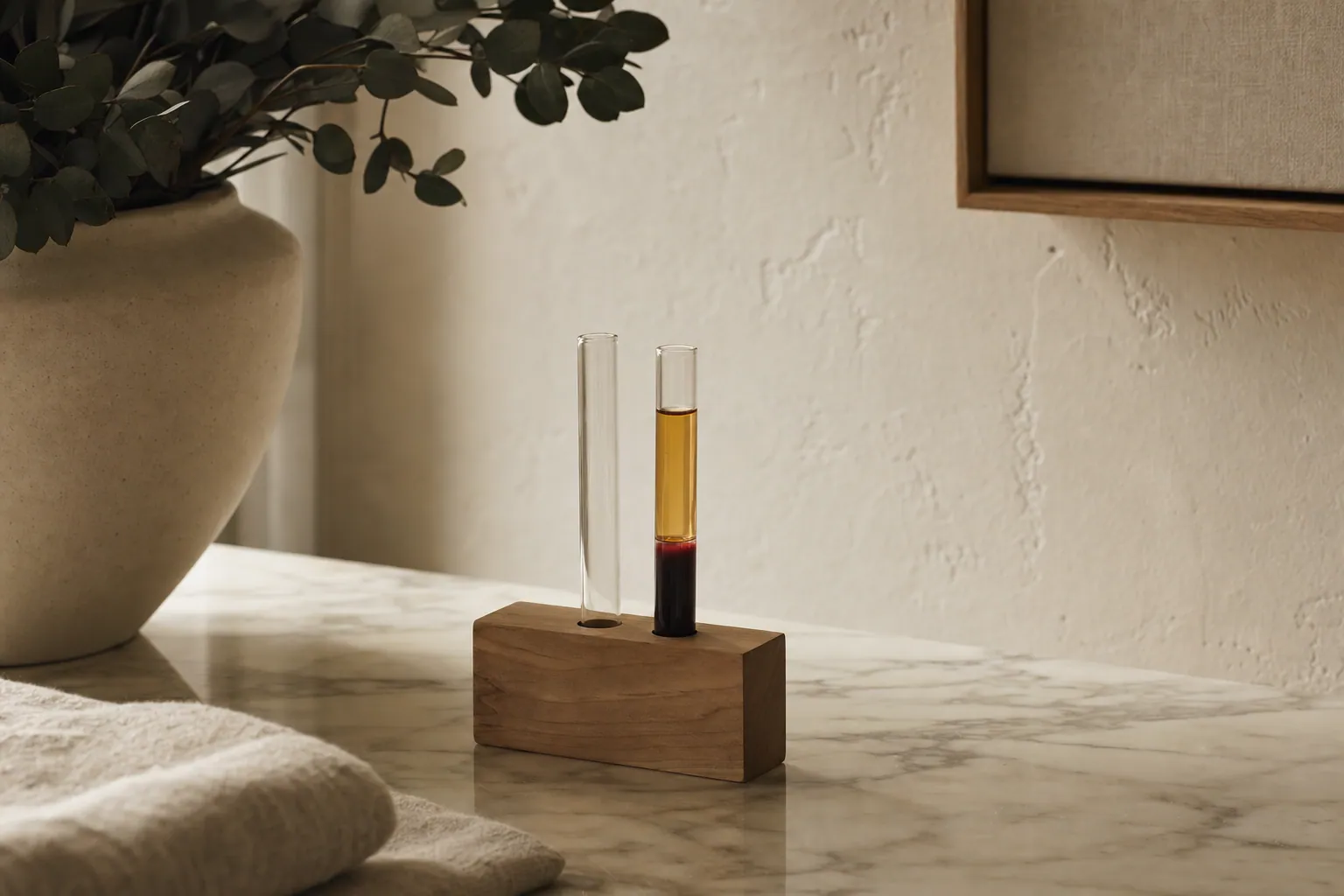
Blood-derived growth factors microneedled into skin. What it is, what it isn't, and how it differs from the broader regenerative menu.
Microneedling with exosomes — extracellular vesicles applied into SkinPen channels. What the evidence shows, how it compares with PRP.
PDRN polynucleotides and GHK-Cu copper peptide as SkinPen add-ons — salmon-DNA-derived tissue regeneration, where each fits, evidence base.
Swissa Med Spa shares a building, a clinical team and a thirty-year history with Ruth Swissa, the paramedical tattooing practice.
Schedule a consultation for regenerative microneedling. skinpen with exosomes, prp, prf, ghk-cu, pdrn.
“They're truly my one-stop shop for everything beauty and skincare. The entire team is so knowledgeable, honest, and always ready to help…”