Scar camouflage.
Paramedical tattooing that blends a mature scar into the surrounding skin tone — the same technique the Ruth Swissa studio is known for nationally, now performed inside the Med Spa's clinical envelope.
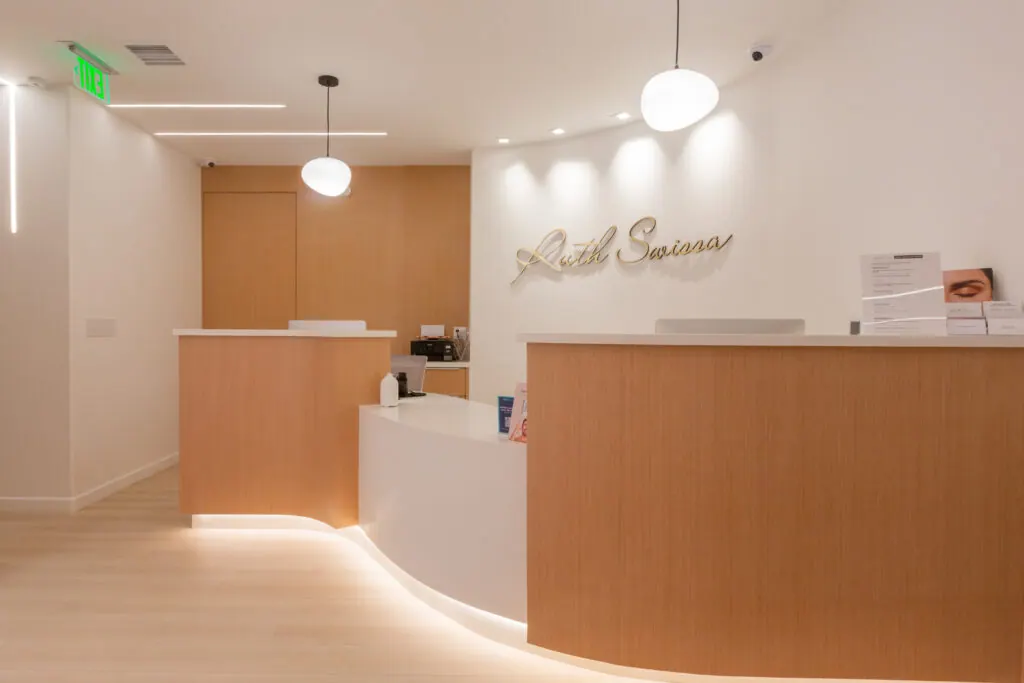
A paramedical tattooing procedure that deposits skin-tone-matched pigment into a mature scar so it blends with the surrounding skin. The same technique Ruth Swissa has performed for twenty-five years at the paramedical studio next door — now offered through the Med Spa for patients who want the procedure planned alongside a medical-aesthetic care team (laser scar revision before, biostimulator follow-ups after, all in one building). The pigment is permanent. The result is concealment, not removal.
Paramedical work, in a clinical envelope.
Scar camouflage has lived at Ruth Swissa for twenty-five years. It is what the studio is known for nationally — the patients arrive from across the country because the technique is hers. None of that changes.
What is new: the procedure is now also offered through Swissa Med Spa. Same building, same practitioners, same outcomes. The difference is the envelope. A scar-camouflage patient at the Med Spa is planned alongside a medical-aesthetic team. If laser scar revision should come first to flatten texture before pigment is placed, it is scheduled in the same visit. If a biostimulator like Sculptra would help the surrounding tissue, that conversation happens at the same consultation. We did not move the service. We extended where the conversation can happen.
If you are weighing whether to start at Ruth Swissa or here, the short answer is: it does not matter clinically — the result is identical. Patients who want the paramedical-only path tend to book directly at Ruth Swissa. Patients who want the procedure planned alongside laser revision or other medical adjuncts often start here. Either booking lands you in the same chair with the same provider.
How camouflage actually works.
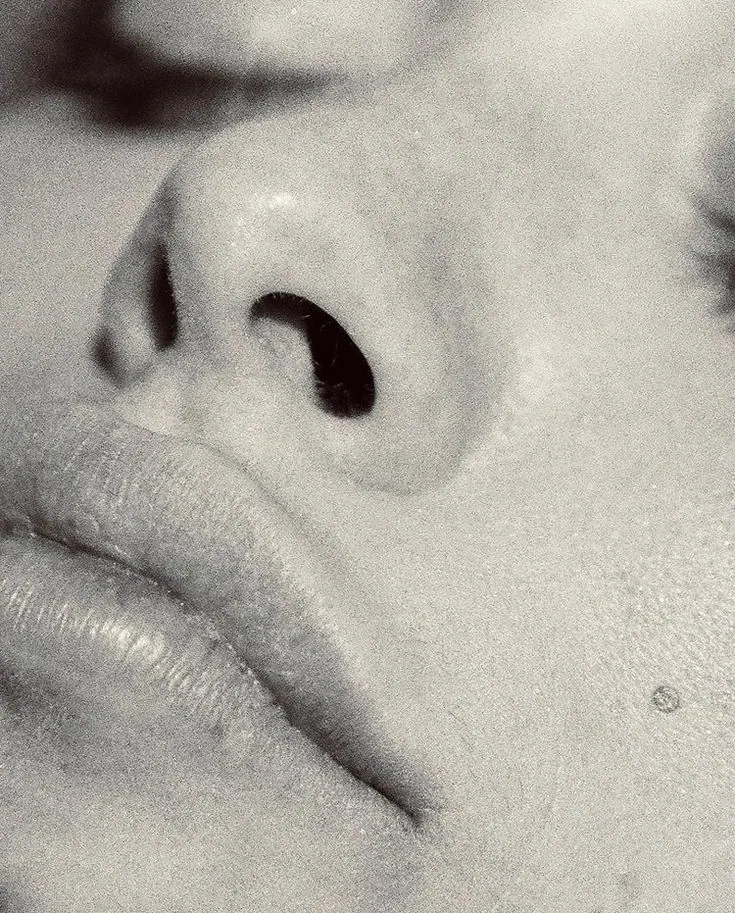
Scar camouflage is a paramedical tattoo. Pigment is deposited into the dermal layer of the scar tissue with a fine needle, matched in tone and undertone to the surrounding skin so the deposit reads as continuous color rather than ink on a scar.
The pigment is permanent. It fades and shifts over years in the same way any tattoo pigment does — sun exposure is the dominant variable — but it does not wash off and it does not migrate the way some early-generation cosmetic tattoos did. A patient who has had camouflage placed will be looking at the same pigment in twenty years, with sun-care over time as the maintenance variable.
Color-matching is the part of the procedure that takes time. The provider mixes a custom tone for each patient — your skin in the surrounding area is the reference, not a stock color from a chart. Lighting in the room is calibrated for this. The first session typically places a conservative test deposit; the second session, six to eight weeks later, brings it to full match once we have seen how the first deposit settled.
Scars camouflage can address.
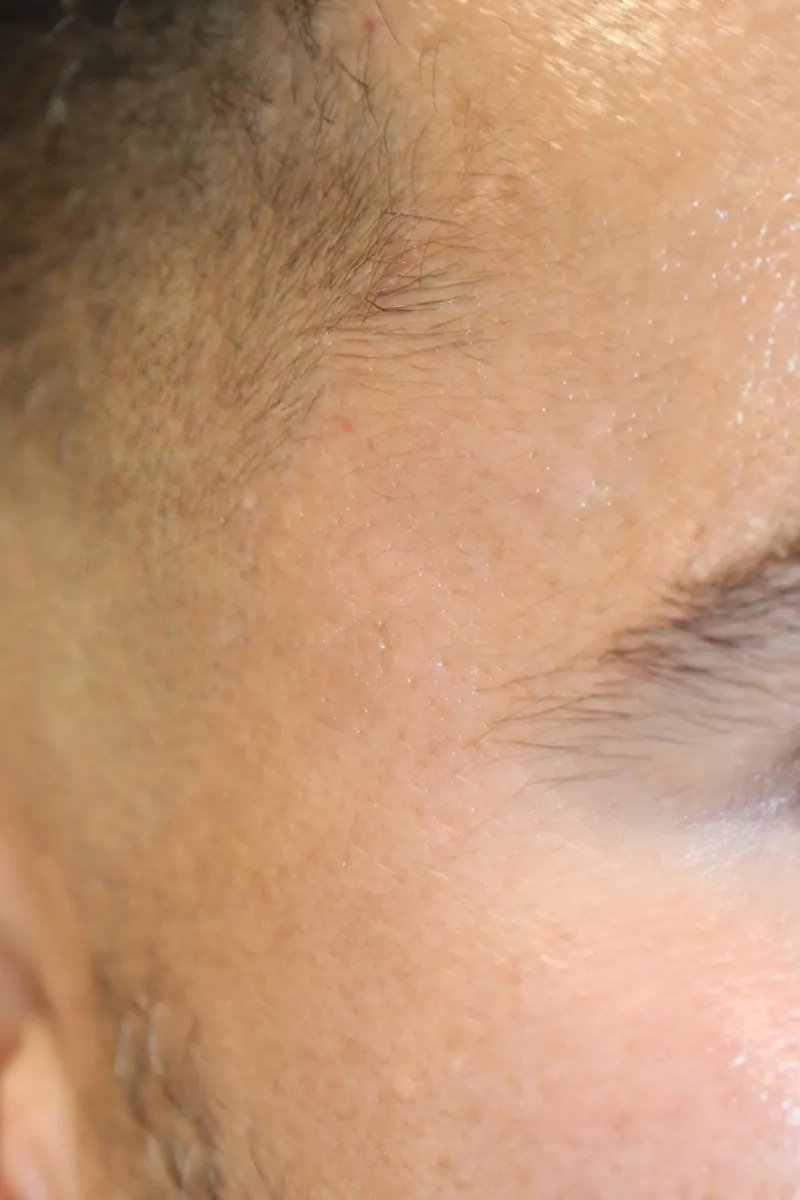
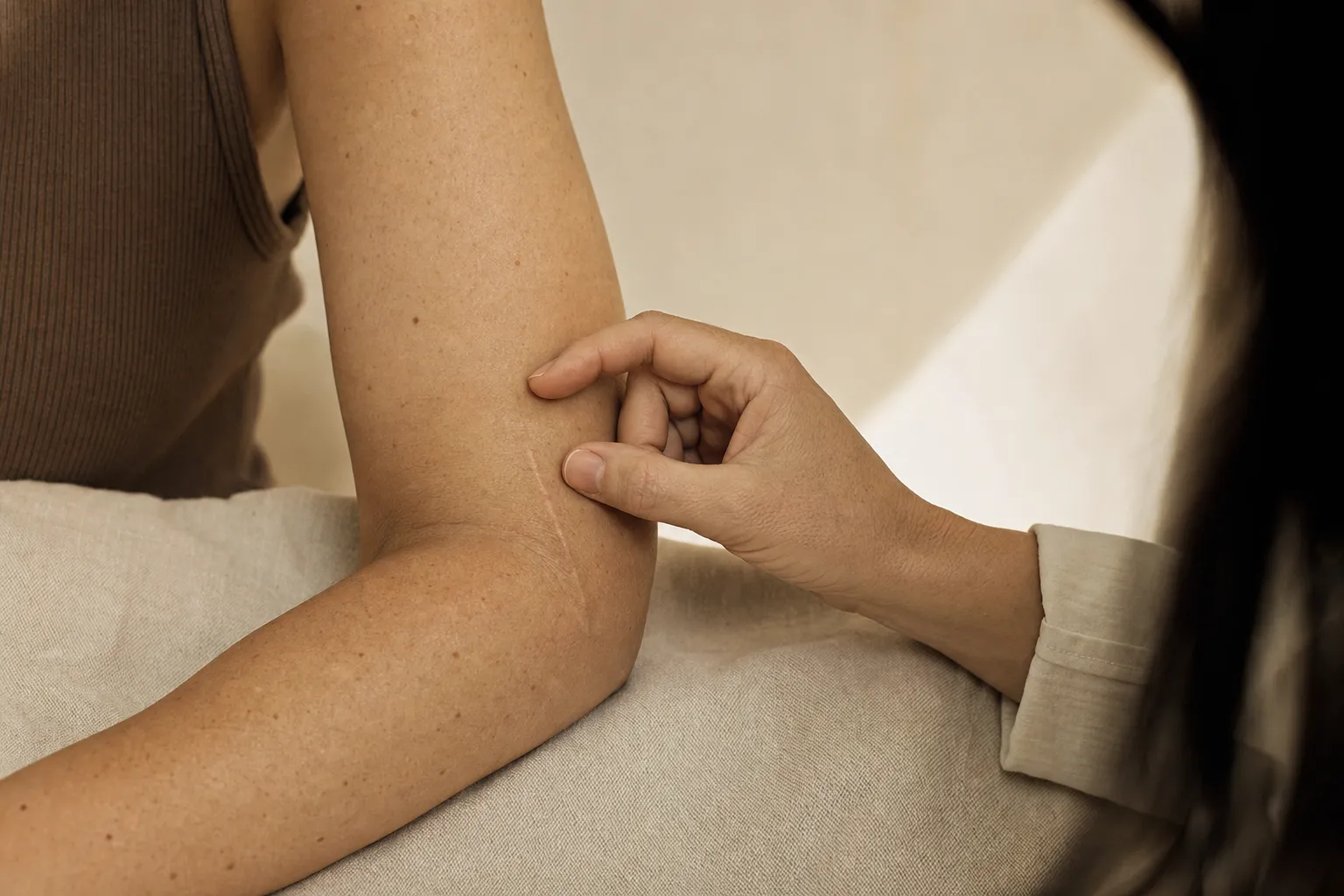
Camouflage works best on flat, mature, hypopigmented scars where the dominant concern is color rather than texture. For scars that are still raised, red, or actively remodeling, the right first step is usually laser revision; we plan that here too. For some textured scars, polynucleotide (PDRN) microneedling serves as a tissue-regeneration precursor before camouflage tattooing — linked below.
| Surgical scarsC-section · tummy tuck · breast reduction · mastopexy · joint surgery | The most common reason for consultation. A flat, mature surgical scar that has gone from pink to white can usually be brought back toward surrounding skin tone in two to four sessions. Vertical and horizontal incisions both respond. |
|---|---|
| Burn scarsMature, flat, no active scarring activity | Camouflage is appropriate for burn scars that have fully matured (typically 18+ months post-injury) and that have settled flat. For raised or hypertrophic burn scars, laser revision precedes camouflage in most plans. |
| Stretch marksWhite, mature striae | Mature striae — the silvery-white stage, not the red active stage — can be camouflaged in the same way as a surgical scar. Active red stretch marks (striae rubra) are still remodeling; we wait until they settle, or treat the redness with vascular laser first. |
| Self-harm scarsTreated with discretion and consent at every step | We treat self-harm scars regularly. The conversation at consultation is about emotional readiness as much as technical candidacy — the procedure is concealment, not erasure of history, and patients who arrive sure of their decision do best. The technical approach is the same as any other mature scar. |
| Gender-affirming surgery scarsTop surgery, phalloplasty, vaginoplasty — coordinated care | Scars from top surgery and other gender-affirming procedures are among the most common reasons patients book scar camouflage. We coordinate with the patient's surgeon on timing — typically 12 to 18 months post-op — and design the camouflage around any planned future revision. |
| Areola reconstructionCross-link to the RS authority page | Areola restoration after mastectomy or top surgery is a specialized subset of paramedical tattooing — different pigment palette, different technique, different consent conversation. The canonical page lives at Ruth Swissa. We perform it here too; the conversation usually starts at the RS areola page so the patient sees the full menu. |
What four to six months at the Med Spa looks like.
A scar-camouflage plan is built across two to four sessions over four to six months. Each session is short. The interval between sessions is the long part — pigment needs time to settle before the next deposit is calibrated.
- 01
Consultation and color match.
Ninety minutes. We assess scar maturity, take photographs, mix a candidate pigment tone, and place a small test dot in an inconspicuous area if needed. If laser revision should come first, we say so and schedule that appointment instead. You leave with a written plan.
- 02
Session one — conservative deposit.
The first session deposits pigment at roughly two-thirds of target density. We are deliberately underbuilding so that the second session can correct rather than over-shoot. Forty-five to ninety minutes in the chair depending on scar size.
- 03
Six to eight weeks of healing.
Pigment shifts as it settles. The deposit that looked like a perfect match at week one will read differently at week six. We need to see the settled color before we add to it.
- 04
Session two — refinement.
We review the settled color in the room, adjust the pigment mix if needed, and bring the deposit to full density. Most surgical scars and stretch marks are complete after this session.
- 05
Optional session three or four.
Larger scars, burn scars, and cases with multiple skin tones across the scar surface sometimes need a third or fourth session. These are scheduled only after the second session has fully settled.
- 06
Annual sun-care check.
Long-term, the pigment fades primarily with UV exposure. We invite patients back annually for a quick check; refinement sessions are typically needed every five to ten years.
Two modalities, one decision.
Camouflage and laser scar revision are sister modalities for the same problem. They do different things. Laser revision (CO₂, Er:YAG) addresses scar texture and color through fractional resurfacing; camouflage addresses scar color through pigment deposition. For most scars, the right answer is one or the other; for some, the right answer is both.
When both are indicated, laser revision goes first. We need the surface flat and the color stabilized before pigment is matched and deposited. The laser pass and the first camouflage session are typically spaced six to twelve months apart so the laser response has fully settled.
If you arrived on this page from a search like "scar removal" or "laser scar revision vs camouflage," the decision framework is in our journal at /blog/laser-scar-revision-vs-camouflage/. Both procedures are performed in this building.
Posture"Camouflage conceals; laser revises. A mature scar at the right density can become invisible at conversational distance. We do not promise that no scar ever was."
- Scars under twelve months old (post-surgery) or eighteen months old (post-burn) without surgeon clearance — the tissue is still remodeling and pigment placed too early shifts as the scar matures.
- Active keloid or hypertrophic scars that have not been addressed with laser revision or intralesional therapy first.
- Active dermatologic disease in the scar area (psoriasis, eczema flare, contact dermatitis) — we wait until the skin is quiet.
- Pregnancy or active breastfeeding — we defer paramedical tattooing in both windows.
- Patients within six months of isotretinoin (Accutane).
- Cases where the scar's color expectation is unrealistic — pigment cannot lighten darker scar tissue beyond surrounding skin tone, and we say so honestly at consultation.
Artistic direction by Ruth Swissa, CMM, 25+ years in paramedical aesthetics.
Where scar camouflage is performed.
Our Beverly Hills satellite operates Wednesdays by appointment and performs injectables only. Lasers, regenerative protocols, medical weight loss and wellness are at our Calabasas studio.
Questions we get.
Is the camouflage permanent?
The pigment is permanent. It fades and shifts gradually with sun exposure over years, but it does not wash off. Most patients return for a refinement session every five to ten years; sun protection on the camouflaged area is the single biggest variable.
How many sessions will I need?
Two to four. Most surgical scars and mature stretch marks complete in two. Burn scars and cases with multiple skin tones across the scar surface tend to need three or four.
Will the pigment match my skin if I tan?
It will match the skin tone you walk in with on the day of the deposit. If your skin changes color seasonally with sun exposure, the camouflage match will look most natural during the season you booked in. We recommend booking in the season your skin spends the most time in.
Is this a medical procedure or a cosmetic one?
Paramedical. The technique sits at the intersection of medical aesthetics and dermatologic tattooing — it is performed under a clinical protocol with strict color-match technique, but it is not a medical treatment of the scar tissue itself. We position it accordingly in the consultation.
How is this different from getting it done at Ruth Swissa?
Clinically, it isn't. Same building, same practitioners, same technique, same outcomes. The Med Spa booking exists so patients who want laser scar revision, biostimulators, or other medical adjuncts planned in the same consultation can do all of that under one team. Patients who only want the camouflage often book directly at Ruth Swissa; the chair is the same.
What if my scar is still red?
We wait. Red scars are still remodeling — pigment placed on a remodeling scar shifts as the scar matures. Mature scars are typically white or slightly hypopigmented; that is when camouflage works. For active red scars we sometimes treat the redness with vascular laser first and revisit camouflage twelve months later.
Can scar camouflage cover a tattoo?
Not effectively. Tattoo pigment sits at a different depth and behaves differently under tattoo machinery; scar camouflage technique is built for scar tissue, not tattoo cover-up. For tattoo correction we look at laser tattoo removal first — also performed in this building.
Does insurance cover scar camouflage?
Rarely. Some plans cover camouflage for post-mastectomy areola reconstruction or for documented post-traumatic reconstruction; the rest is private pay. The conversation about coverage happens at consultation if the indication is potentially covered.
Continue.
Who scar camouflage is for, who it isn't for, and the five questions we answer at the first consultation — scar maturity, flatness, skin tone match, contraindications, and whether laser revision should come first.

What changes the price of a scar-camouflage plan — scar size, scar count, expected session count, and whether laser revision is part of the plan. SMS-side range pending; reference price at our sister studio Ruth Swissa.
Selected consented cases from the paramedical archive — how camouflaged scars read at conversational distance, what remains visible up close, and what we don't publish.

Scar camouflage is performed at our Calabasas studio — same chair, same provider team that has performed paramedical tattooing in this building since 1998.
Swissa Med Spa shares a building, a clinical team and a thirty-year history with Ruth Swissa, the paramedical tattooing practice.
Schedule a consultation for scar camouflage.
“… Ruth, with her artistry, skill, and talent, magically removed the entire scar! It's completely gone, and I feel like myself again.”