Cheek filler. Midface volume, placed on bone.
Cheek filler for midface volume loss — high-lift gels, lateral vs anterior placement, syringe counts, and the overfilled look we avoid.
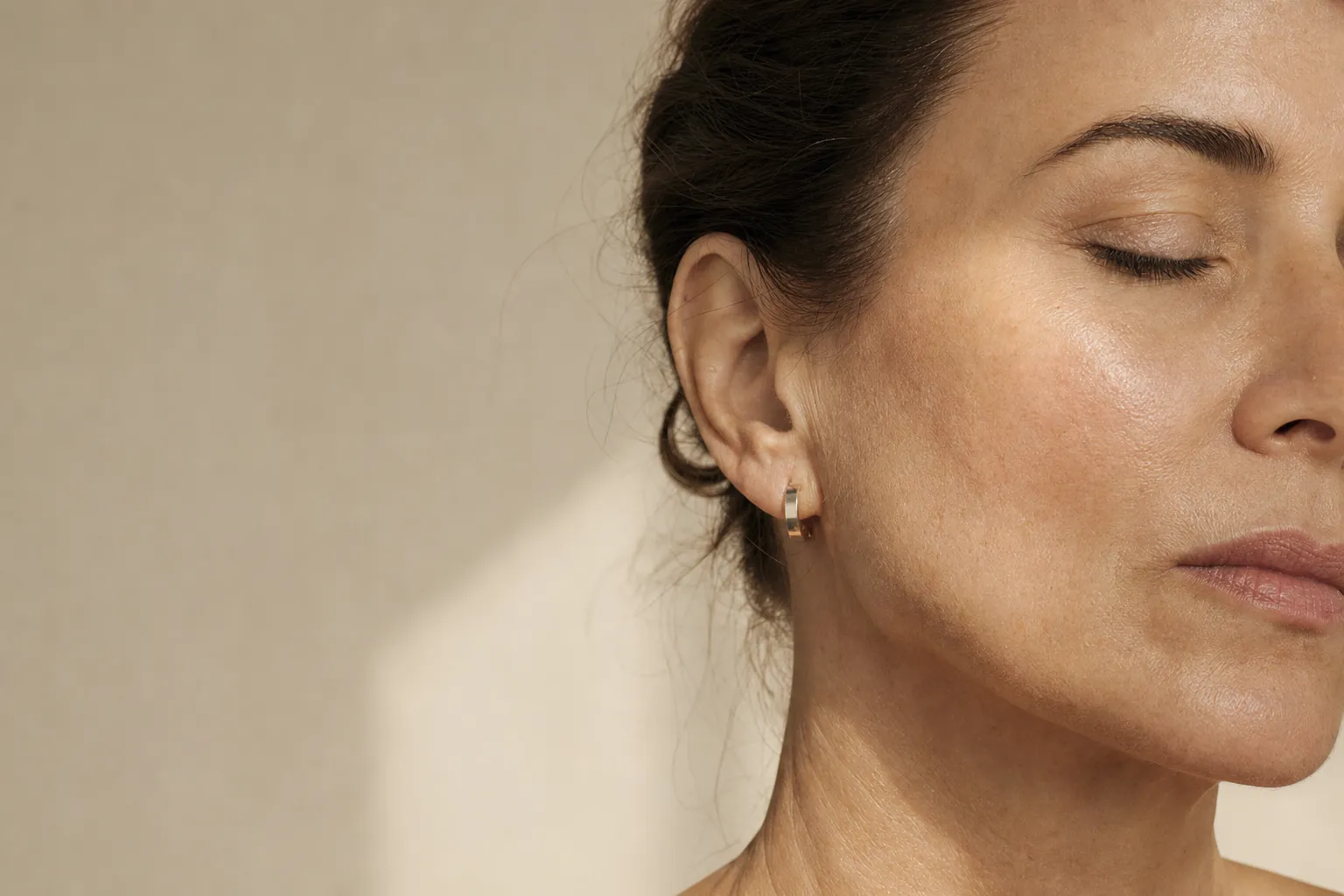
Cheek filler is structural hyaluronic acid gel — Juvéderm Voluma, Restylane Lyft, RHA 4 — placed deep, often directly on bone, to restore the midface projection that age flattens. Most patients use one to two syringes per visit, building over time rather than all at once. Results settle within two weeks and last twelve to twenty-four months by product.
Volume where the face loses it first.
The midface is usually where volume loss reads first. The deep fat pads of the cheek deflate, the bone beneath them resorbs at the rim, and the surface consequences arrive together — flatter light across the cheek, a deeper fold below it, a face that reads tired at rest.
Cheek filler restores that projection with high-lift hyaluronic acid gels placed deep — frequently on the bone itself — where they support the tissue above rather than sitting as a visible contour within it. This is structural work, closer to scaffolding than to surface fill.
The product is chosen for the tissue. Juvéderm Voluma and Restylane Lyft are the structural defaults; RHA 4 earns its place where the lower cheek moves constantly with expression. Same molecule, different rheology — the choice is part of the plan, not an upsell.
Lateral and anterior are different jobs.
“Cheek filler” covers at least two distinct goals, and the consultation starts by separating them.
| Lateral cheekCheekbone · the light catch | Placement along and above the zygomatic arch to restore the lateral projection that catches light. This is the structured look most patients mean by “cheekbones” — small volumes, placed high, on bone. |
|---|---|
| Anterior cheekThe apple · midface fullness | Placement in the front of the cheek, where the deep fat pads deflate with age. Restores the convexity below the eye and supports the lid–cheek junction. Softer volume, blended carefully toward the under-eye. |
| The transitionBlending zones | The connective work between the two, carried down toward the nasolabial fold so the result reads as one continuous surface rather than two separate procedures. |
Syringe counts, honestly.
One to two syringes per visit is typical. A syringe is one milliliter — spread across the surface area of two cheeks, that is a conservative volume by design. Dramatic single-visit transformations require amounts we would rather not place at once.
We build over visits instead. The product settles for two weeks, we assess against your resting face, and we add only if the result asks for it. The overfilled midface — the pillowy, light-trapping look — is almost always cumulative overdosing across visits that never paused to assess. Pausing is the protocol here.
Some midface patterns do better with Sculptra than HA. Broad, diffuse thinning across the cheek and temple is biostimulator territory — collagen rebuilt over months rather than gel placed today. We raise it at consultation whenever the anatomy argues for it.
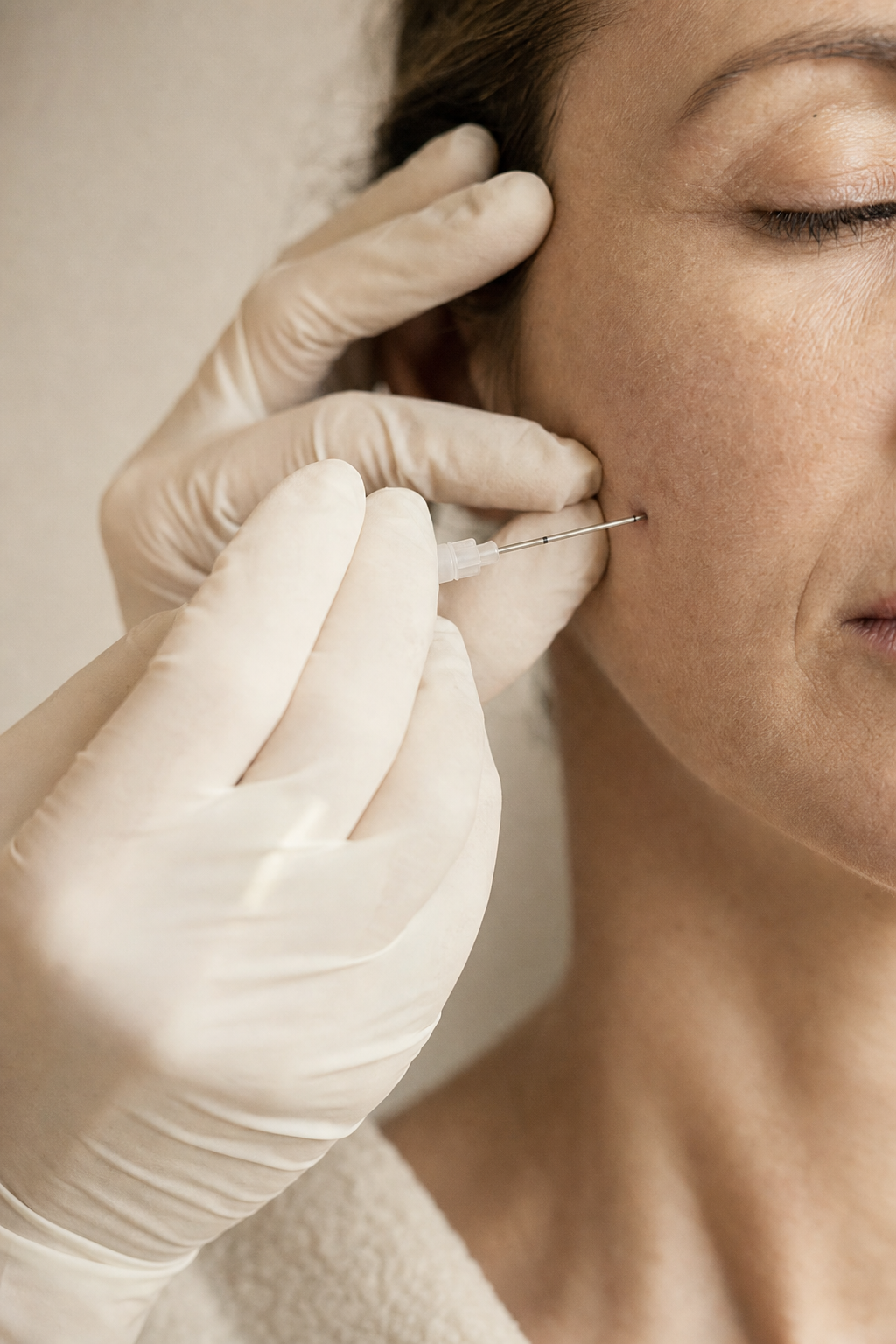
What cheek filler does for the folds below it.
Restoring cheek projection reduces the load the descending midface places on the nasolabial fold. Treat the cheek and the fold below it typically softens — often more durably than filling the fold directly, because the cause was upstream.
What cheek filler does not do is lift sagging skin. The effect is lift-adjacent: better support, better light, a softer fold. Patients with significant laxity are having a different conversation, and we say so rather than promising a lift a syringe can't deliver.
Why under-eye work often starts at the cheek.
Many patients who ask about under-eye filler actually have midface deflation — the tear trough is the visible edge of a cheek that has lost its support. Rebuilding the anterior cheek first shortens the trough and frequently reduces the under-eye dose to a small finishing volume, or to nothing at all.
That sequencing — cheek support first, tear trough second — is the safer and more economical order, and it is how we stage most midface plans. The dedicated under-eye filler page covers the candidacy questions in depth.
Performed by Orr Swissa-Amran, PA-C, board-certified Physician Associate, internationally trained in hair restoration and aesthetic medicine.
Questions we get.
How much does cheek filler cost?
In the Los Angeles market, cheek augmentation typically runs $850 to $1,700, reflecting one to two syringes of structural HA at $500 to $950 per syringe. Your syringe count is a clinical decision made at consultation, and the total is confirmed in writing before injection.
Will I bruise? What's the downtime?
Swelling for one to three days and possible bruising for up to a week, though deep on-bone placement with a cannula bruises less than superficial work. Most patients are presentable the next day and fully settled at two weeks — which is when we assess the result.
How long does cheek filler last?
Twelve to twenty-four months by product. Voluma in the deep cheek sits at the long end — eighteen to twenty-four months is common. Duration depends as much on your metabolism and the treated plane as on the box the product came in.
Will cheek filler look natural?
Dosed conservatively and placed on bone, it should read as better structure, not as a procedure. Our default is the smallest volume that produces the result, a two-week review, and adding only if needed. We would rather under-correct than build the overfilled midface everyone is trying to avoid.
Continue.
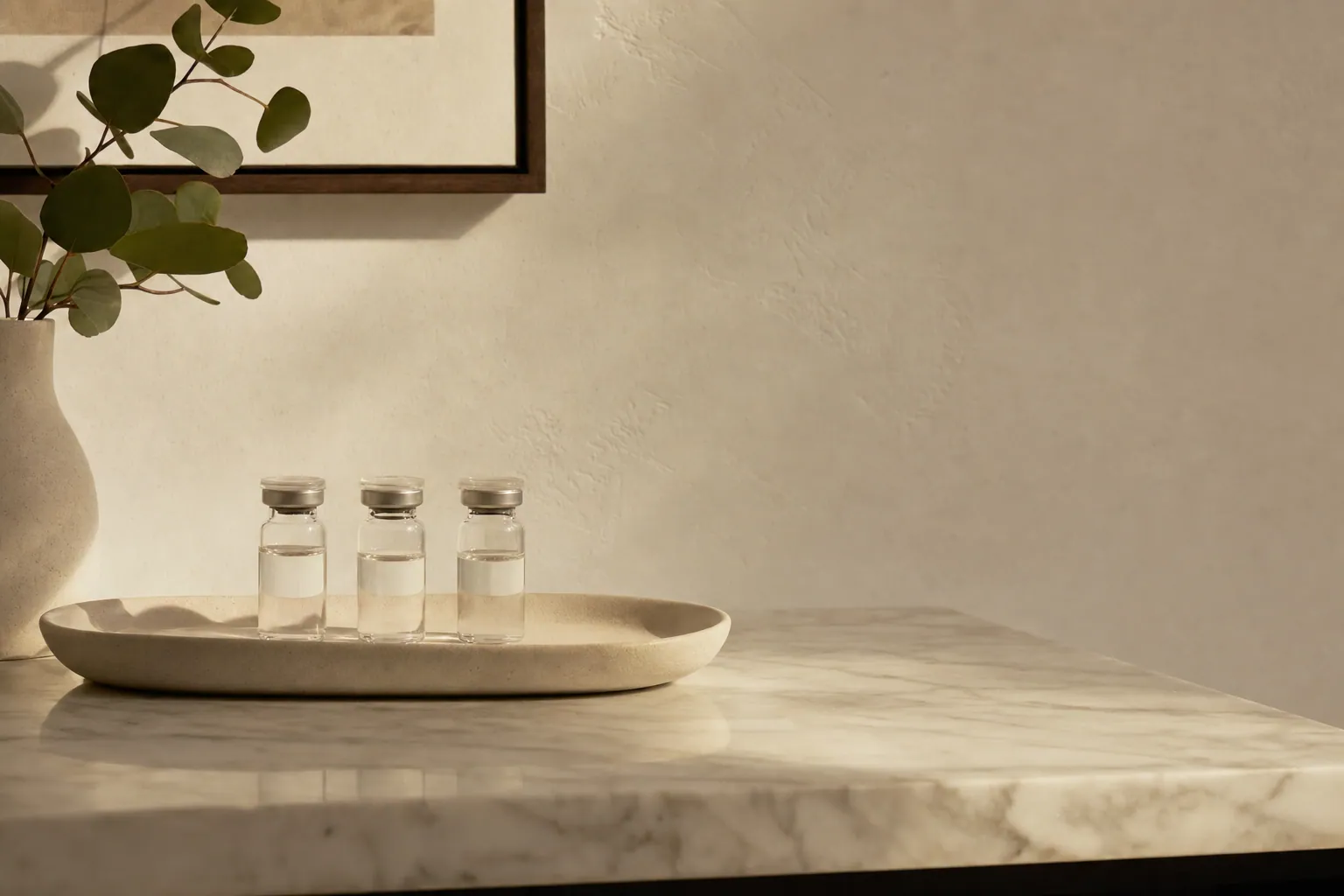
Five filler families, where each one belongs, hyaluronidase if you need it dissolved, and the difference between filling and stimulating.
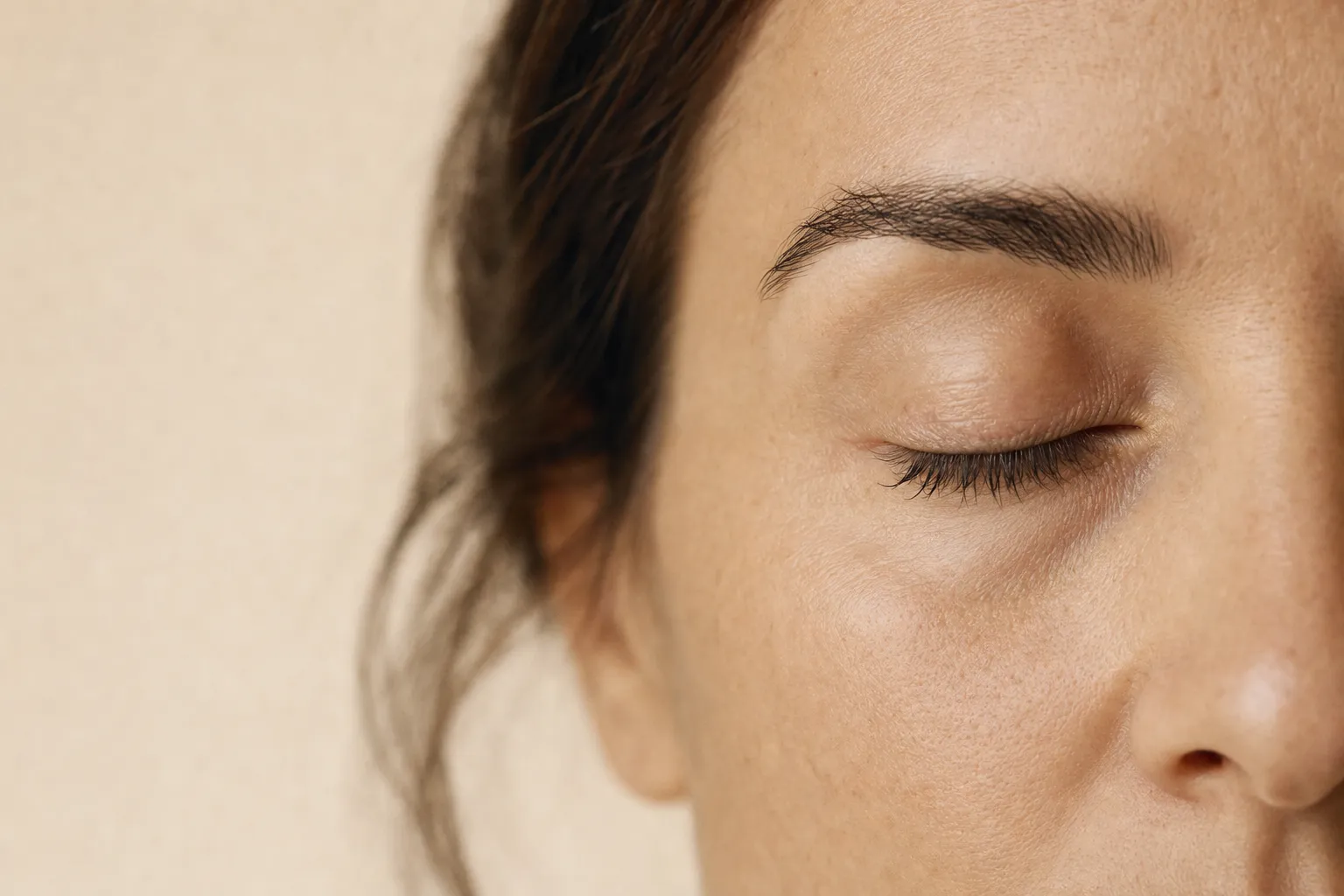
Under-eye filler for tear-trough hollowing — candidacy honesty, the low-G-prime gels we use, Tyndall risk, and when cheek support comes first.
Chin filler and jawline contouring — projection, pre-jowl blending, gel selection by tissue plane, and the masseter-Botox pairing for the lower face.

Multi-syringe, multi-area planning anchored to anatomic landmarks — not lots of filler everywhere.
Schedule a consultation for cheek filler. midface volume, placed on bone.
“I had laser for scars and injections with Orr for the first time and am so pleased with the results! She has an amazing eye and such a gentle touch.”