Improve skin quality & texture.
Pores, fine lines, tone unevenness, crepiness and laxity — a layered approach using regenerative microneedling, lasers and peels.
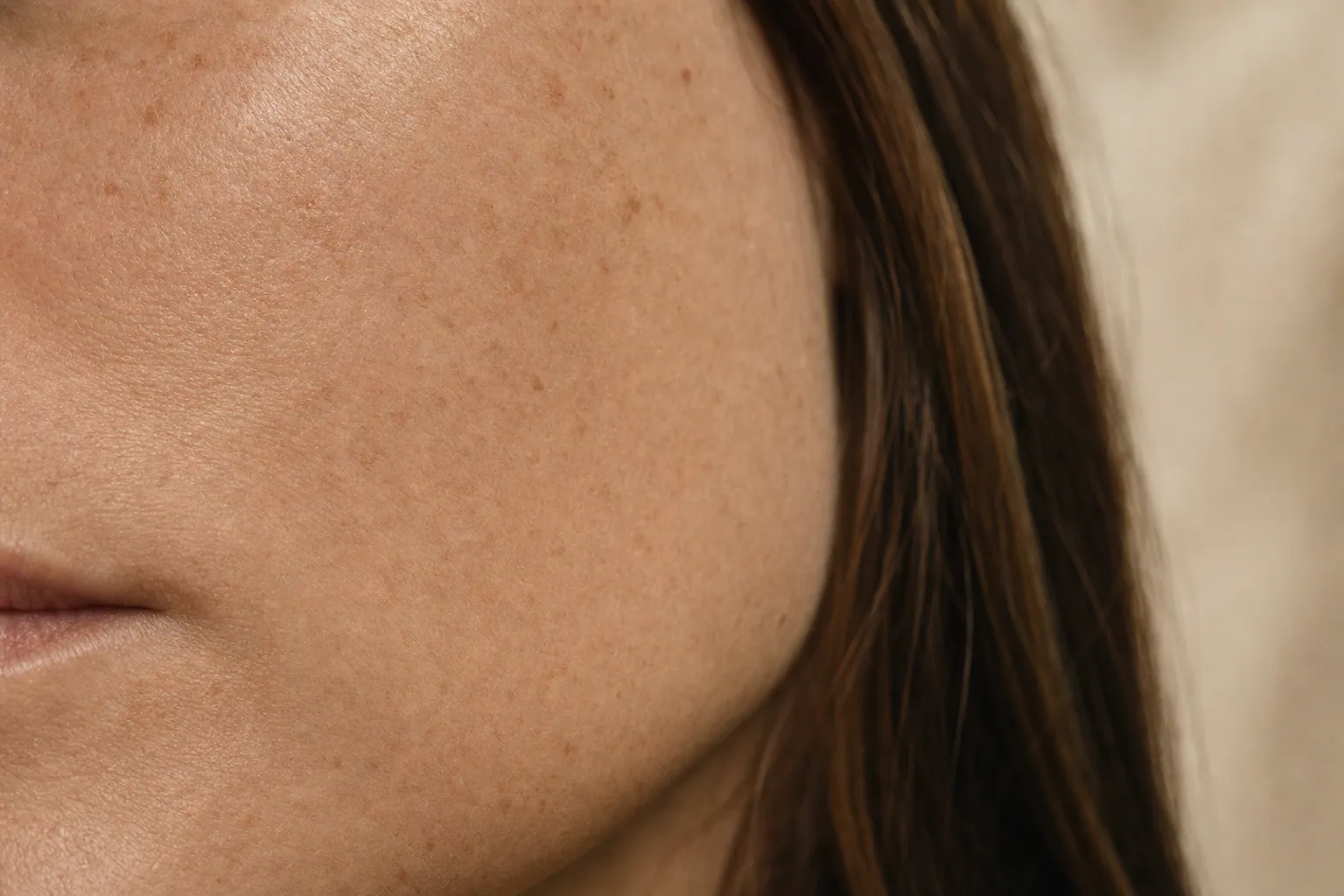
Five things, usually, in some combination: pore size, fine surface lines, tone evenness, the crepe-paper quality skin develops with age, and texture from acne or chickenpox scarring. None of them respond to a single treatment. The plans that work are layered — regenerative microneedling for foundation, lasers for specific concerns, peels for refinement.
What patients usually mean by 'texture'.
Pores. Most patients arrive wanting smaller pores, by which they typically mean less visible pores. Pore size is largely genetic and somewhat sebum-driven; what we can change is the rim of damaged collagen around each pore that makes it read larger than it is.
Fine lines. Not the expression lines that need neurotoxin — the surface crepe that catches light on the cheek, around the eyes, across the upper lip. A different problem and a different toolset.
Tone unevenness. Sun spots, melasma, post-inflammatory marks from old acne, ruddy patches from rosacea or broken capillaries. Each one has a specific cause and a specific laser. Treating them as a single problem produces a uniform disappointment.
Crepiness. The textural quality that signals thin, depleted dermis — most visible around the eyes, on the neck, on the décolletage. Caused by loss of collagen, elastin, and glycosaminoglycan content. Addressed by rebuilding, not by surfacing.
Acne and chickenpox scarring. Atrophic scars are textural change at depth — fractional resurfacing reshapes them; subcision can release tethered scars; neither produces complete clearance, but meaningful improvement is the realistic goal.

Foundation first, then specifics.
Most skin-quality plans start with regenerative microneedling — SkinPen passes with growth factors, exosomes, PRP, PRF, GHK-Cu, or PDRN layered into the channels. The work is foundational: it improves the dermis's ability to hold moisture, build collagen, and respond to subsequent treatments.
Once the foundation is in place, the specific concerns come into focus. Hyperpigmentation gets a pigment laser. Redness gets a vascular laser. Established textural change gets fractional CO₂. Peels handle the surface refinement between deeper sessions.
The temptation is to skip the foundation and reach for the dramatic treatment first. We don't recommend it. A face that hasn't had its dermal foundation supported responds less consistently to lasers and recovers more slowly. The order matters.
Treatments and what each one addresses.
These are starting points. The actual sequence depends on which concerns dominate your face, what your skin type allows, and how much downtime you can absorb.
| Regenerative microneedlingSkinPen + exosomes / PRP / PRF / GHK-Cu / PDRN | Microchannels in the dermis paired with growth factors or biostimulant serums. Builds collagen, hydration, and resilience. Best for foundation work, fine textural change, and post-acne tone. Series of three to four sessions, four to six weeks apart. Two days of redness, sometimes one. |
|---|---|
| Vampire FacialMicroneedling with PRP | A subset of regenerative microneedling using your own platelet-rich plasma. Same foundation effect, with the specific anti-inflammatory and angiogenic properties of platelet-derived growth factors. Useful for patients with rosacea-prone skin where exosomes might overstimulate. |
| Fractional CO₂ resurfacingAblative · serious downtime | Controlled columns of ablative injury that prompt dermal remodeling. The most effective single treatment for established textural change — acne scars, deep fine lines, significant photodamage. 5 to 10 days of visible recovery. Fitzpatrick caveats discussed at consultation. |
| Pigment laserFor sun spots, melasma, hyperpigmentation | Wavelengths that target melanin in the dermis. Sun spots respond predictably. Melasma is a chronic hormonal condition we treat conservatively — aggressive laser work can worsen it, and we'd rather under-treat in two visits than over-treat in one. |
On expectations"Skin quality is built, not delivered. A single dramatic treatment doesn't replace the work the dermis does over months between sessions."
What a layered plan can look like.
Most patients overestimate what one treatment can do and underestimate what a year of sequenced work can do. The arc below is illustrative — your plan depends on your face.
- 01
Month one — assessment and home-care.
Photographs, intake, a candid conversation about which concerns matter most to you. Home-care is set: sunscreen daily, a retinoid if tolerated, a vitamin C serum, sometimes a prescription tyrosinase inhibitor for pigmentation.
- 02
Months two through five — regenerative foundation.
Three to four regenerative microneedling sessions with whichever growth-factor or biostimulant add-on suits your skin. Tone and texture improve steadily; the dermis becomes more responsive to anything that follows.
- 03
Months four through six — targeted laser work.
Once the foundation is in, the specific concerns get specific tools. Pigment lasering for sun spots. Vascular lasering for telangiectasias and rosacea redness. Single sessions, scheduled around your calendar.
- 04
Month six or seven — fractional resurfacing, if indicated.
If textural change is significant — acne scars, deep crepe, established photodamage — this is the step that handles it. Scheduled around real downtime. Not every patient needs this; we'll be honest about whether you do.
- 05
Months eight onward — refinement and maintenance.
Light peels, occasional microneedling for upkeep, and a long-term home-care plan. The result you've built over the year holds with much less active treatment than it took to create.
What we ask of you between sessions.
The work that happens between appointments is at least as important as the work that happens in them. A skin that hasn't been protected from UV undoes a pigment laser within a season. A skin that isn't being supported with a retinoid builds less collagen from a microneedling session than it could.
We don't sell skincare. We do recommend a short list of products by function — a mineral sunscreen, a retinoid if tolerated, a vitamin C serum, a barrier-supporting moisturizer — and we'll review what you're currently using to flag anything that's working against the in-clinic plan.
Patients who treat home-care as adjacent to the plan rather than part of it tend to plateau early. Patients who treat it as the plan tend to outgrow most of the more aggressive in-clinic work over time.
- Within 6 months of isotretinoin (Accutane) for ablative resurfacing.
- Active skin infection or active cold sore in the treatment area.
- Recent significant UV exposure or active tan, especially before pigment lasering.
- Melasma without a candid conversation about realistic outcomes and the role of UV avoidance.
Continue.

Microneedling layered with growth factors, exosomes, PDRN or copper peptide. What each add-on does, what it costs you in downtime.
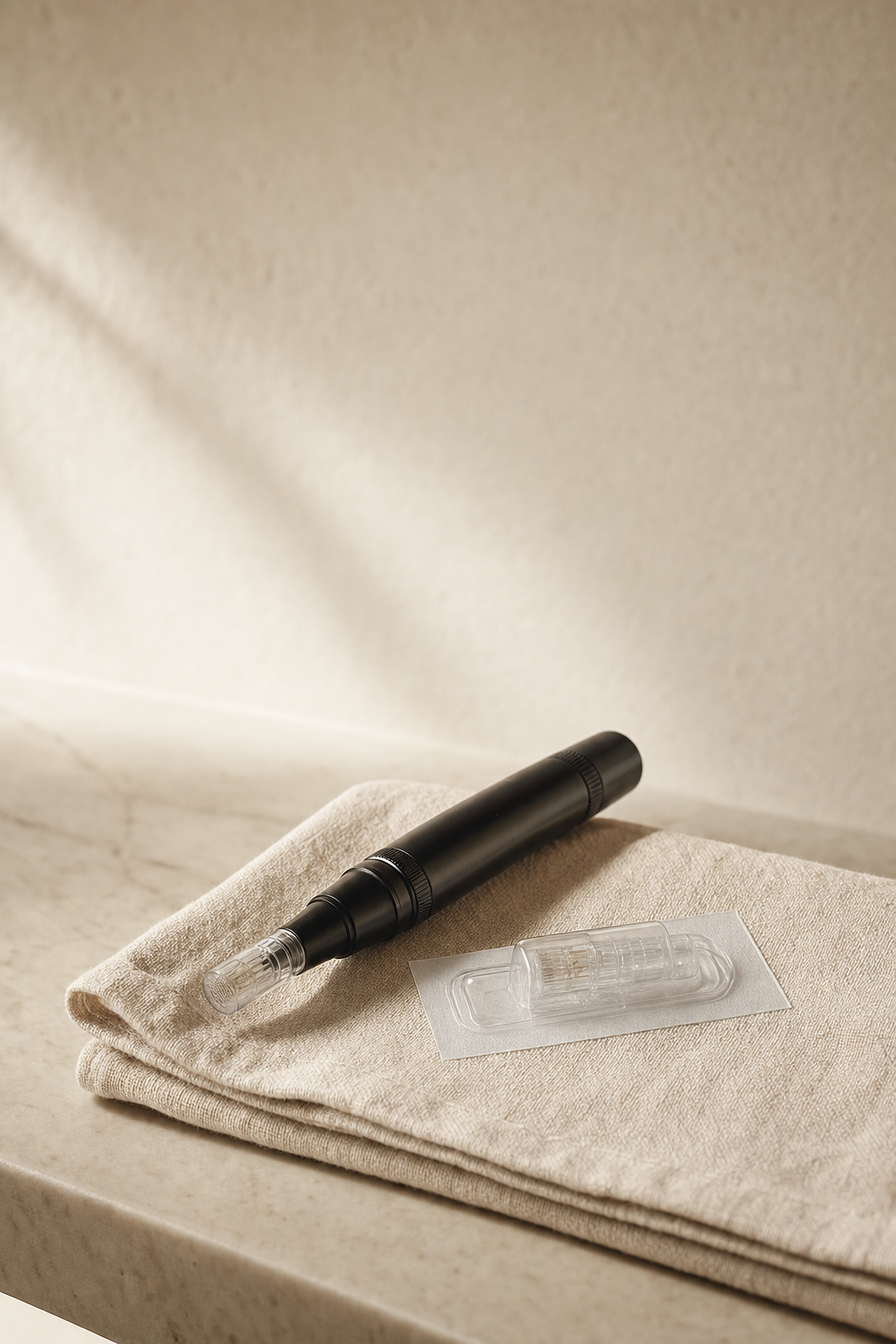
SkinPen — the FDA-cleared microneedling device we run. Depth control, single-use cartridges, the 3-session cadence, and the add-on stack.
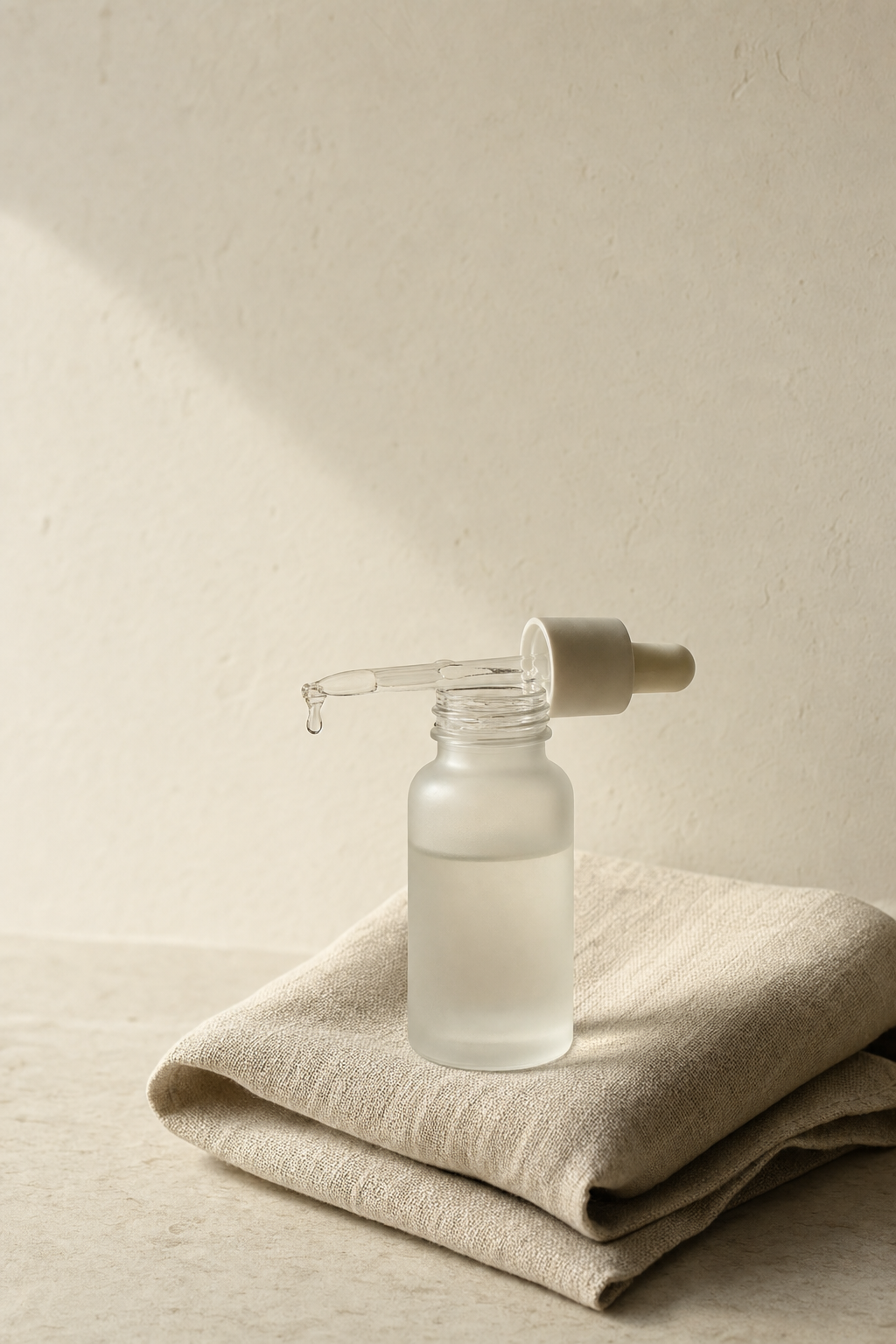
Microneedling with exosomes — extracellular vesicles applied into SkinPen channels. What the evidence shows, how it compares with PRP.
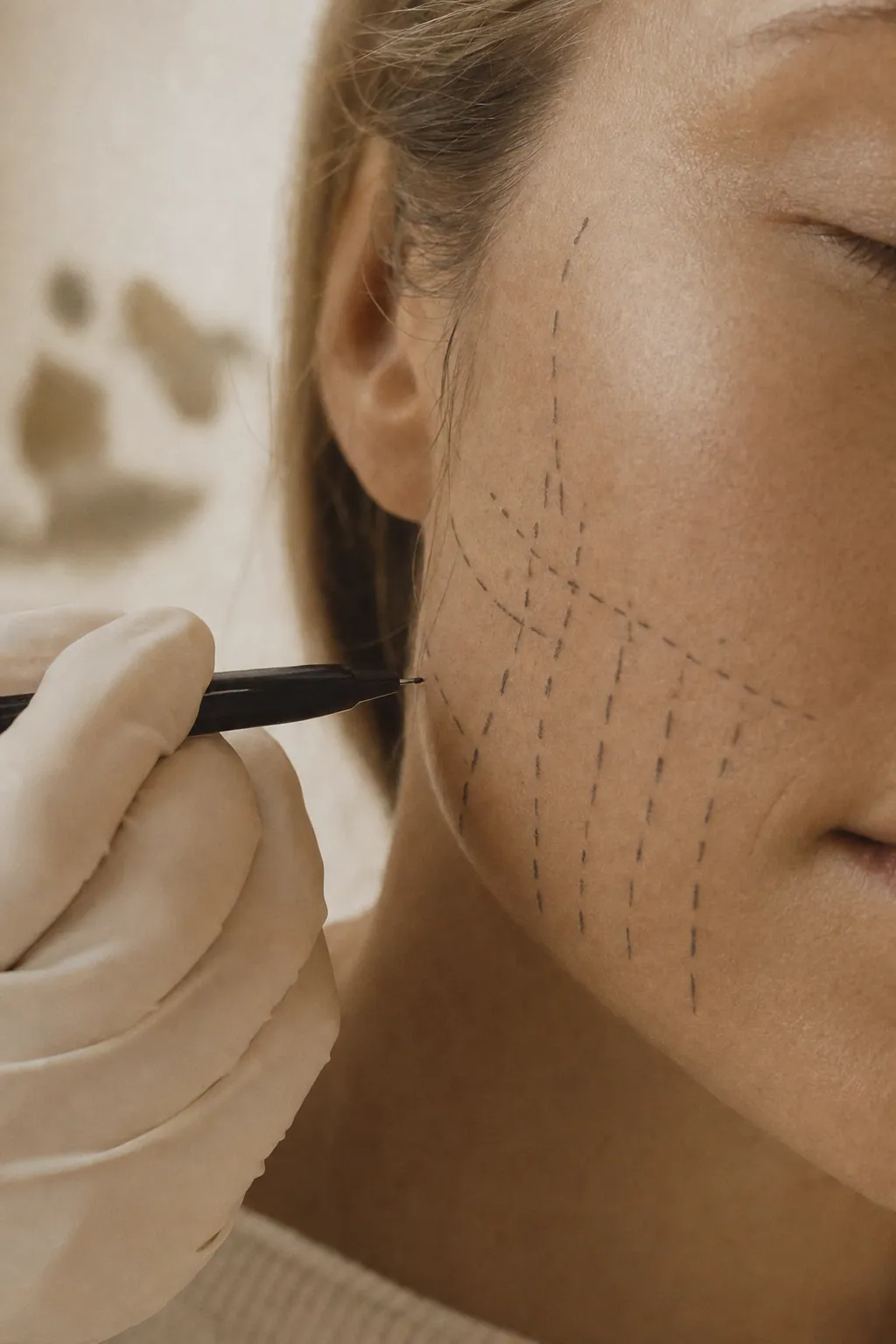
Ablative laser resurfacing for texture, pores, fine lines, crepiness and photodamage. Real downtime, Fitzpatrick caveats, recovery protocol.
Swissa Med Spa shares a building, a clinical team and a thirty-year history with Ruth Swissa, the paramedical tattooing practice.
Every booking starts with a conversation.
“They're truly my one-stop shop for everything beauty and skincare. The entire team is so knowledgeable, honest, and always ready to help…”